 TürkiyeCennet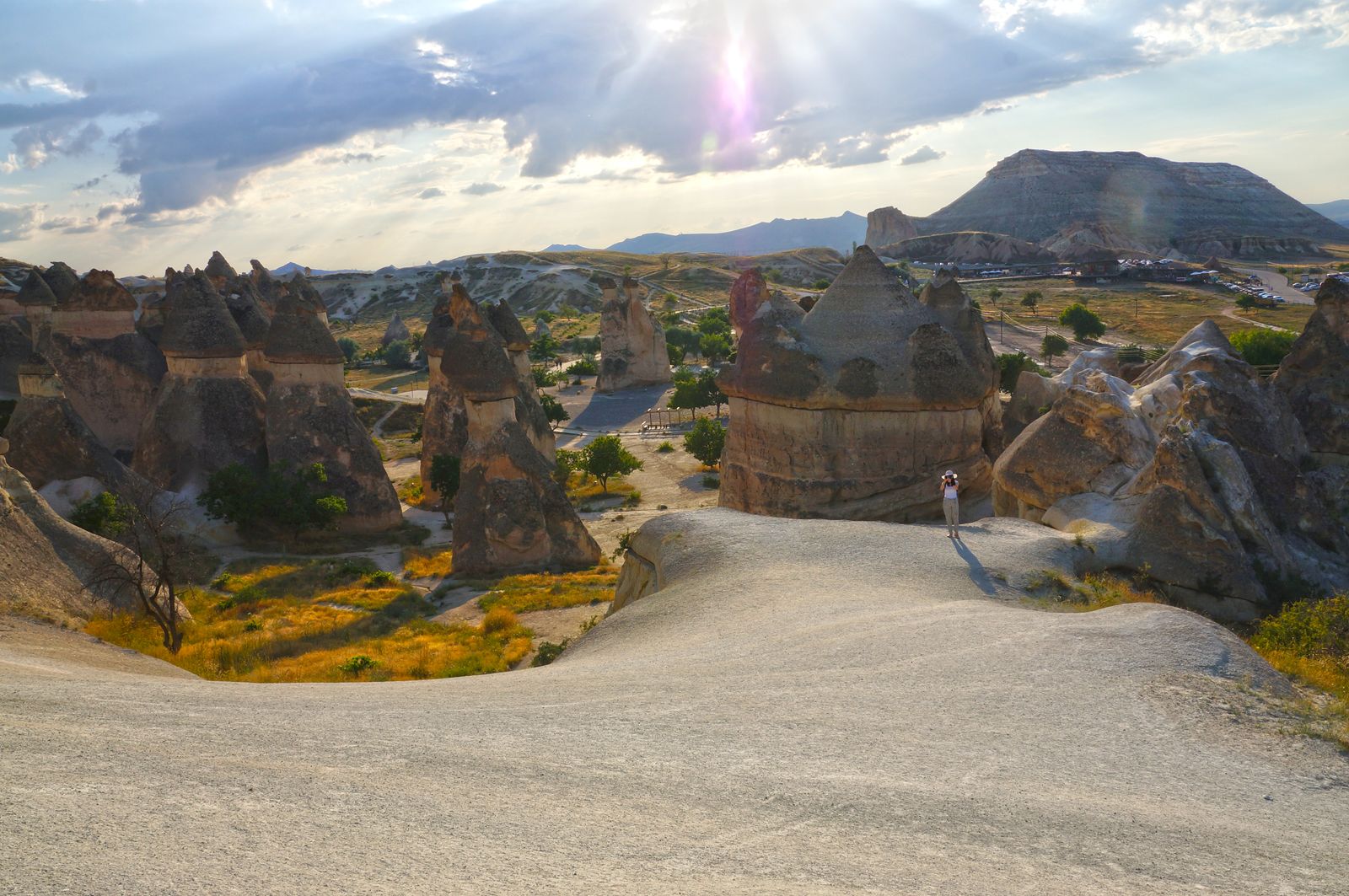
Cappadocia
Central AnatoliaNevşehir38.6431, 34.8283
Photo: RIFAT AĞAR · CC BY-SA 4.0 · source
A volcanic landscape of fairy chimneys, rock-cut churches and underground cities.
Why it is worth visiting
Cappadocia is one of the rare places where nature and human effort have worked the same stone for thousands of years. Fairy chimneys carved from volcanic tuff by wind and water, churches cut into those rocks and whole cities descending underground all stand together within a single region. Göreme National Park and Cappadocia were added to the UNESCO World Heritage List in 1985.
How the landscape formed
The rock that defines the region is made of lava and tuff layers thrown out millions of years ago by volcanoes such as Erciyes, Hasan Dağı and Göllü Dağ. As the soft tuff eroded beneath harder basalt caps, the pointed formations now called fairy chimneys emerged. Because this soft stone is easy to carve, the natural landscape gradually became a network of human settlement.
What there is to see
The Göreme Open Air Museum, with churches cut into the rock and inner walls painted with frescoes, is one of the region’s densest historical sites. The underground cities of Derinkuyu and Kaymaklı are living spaces that descend several storeys, with ventilation shafts and wells built into them. Alongside these, places such as Ürgüp, Uçhisar and the Ihlara Valley show different forms of rock architecture.
Experience and route
The best way to see Cappadocia is to base yourself in one centre — usually Göreme or Ürgüp — and tour the surrounding valleys and villages on foot or on short drives. The walking routes through the valleys are the quietest way to see the fairy chimneys up close. Hot-air balloon tours are the well-known way to see the region from above; flights depend on the weather and are usually made at first light.
When to go
Spring and autumn are the most balanced periods for both weather and crowds. Summer is hot and busy, while winter is cold but different, with its snow-covered landscape. For anyone considering a balloon flight, the first hours of the morning are decisive. Because fees and flight and museum entry conditions can change, it is worth confirming with the official source before visiting.
Conservation and responsible visiting
Cappadocia’s rock is not as durable as it looks; the fairy chimneys and rock-cut churches are open to erosion and wear. For that reason, keeping to the marked paths, not touching the frescoes in the churches and not damaging the rock surfaces directly determine whether the region is preserved. As the area is both a national park and a World Heritage site, visiting rules apply in certain sections. Balloon flights are also regulated for air traffic and safety; it matters to fly with a licensed operator.
Nearby
Göreme, Ürgüp and Uçhisar are centres close to one another. The Derinkuyu and Kaymaklı underground cities and the Ihlara Valley are neighbouring stops that offer a different rock experience within the same region.
Sources and last reviewed
- Göreme National Park and Cappadocia — Republic of Türkiye Ministry of Culture and Tourism — Directorate General of Cultural Heritage and Museums
- Göreme National Park and the Rock Sites of Cappadocia — UNESCO World Heritage Centre
Last reviewed:
Fees, hours and seasonal rules can change; confirm with the official source before visiting.
- Best time
- April–June and September–October; the first light of morning for balloon flights.
- How to get there
- By car to Göreme via Nevşehir; nearest airports are Nevşehir Cappadocia and Kayseri.
- Coordinates
- 38.6431, 34.8283
- Nearby
- Göreme · Ürgüp · Derinkuyu Underground City
Places in this region
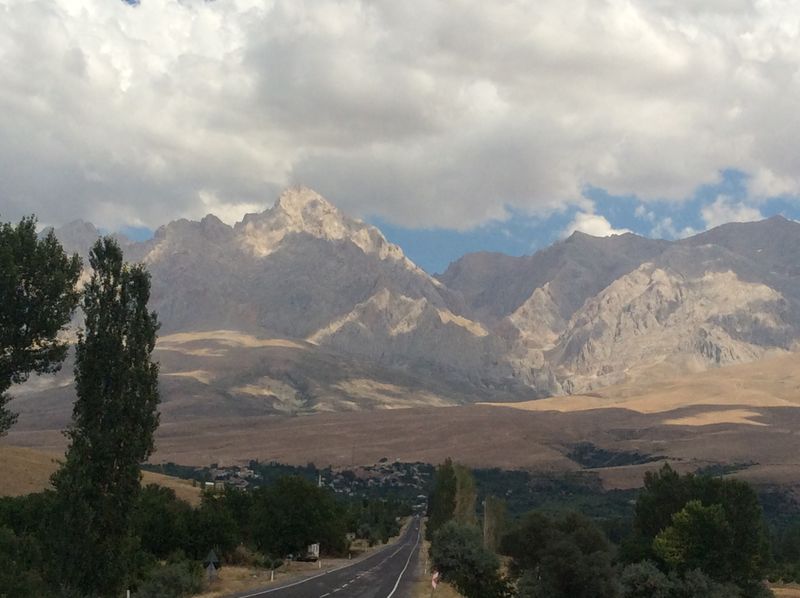
The Aladağlar
The hardest section of the Taurus range: limestone walls to 3,750 m, glacial valleys and almost no trees — the centre of technical mountaineering in Türkiye.
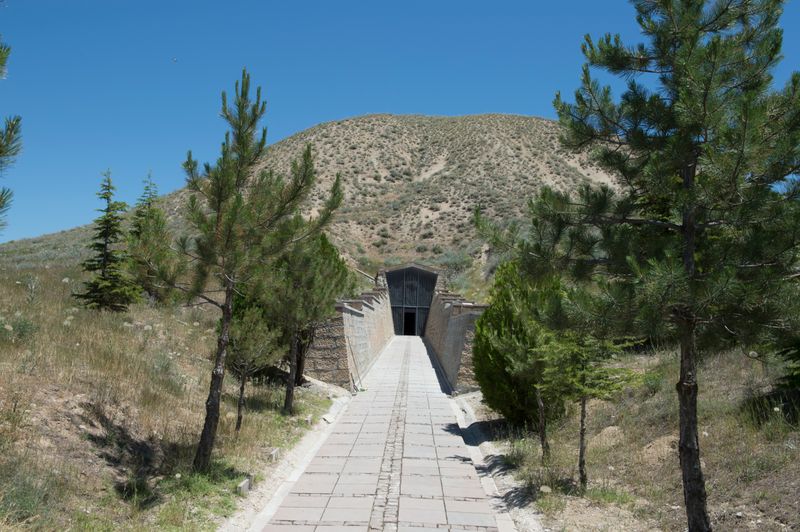
Gordion
West of Ankara, the capital of the Phrygian kingdom: you can walk inside the burial mound attributed to King Midas, and the Gordian Knot was cut here.
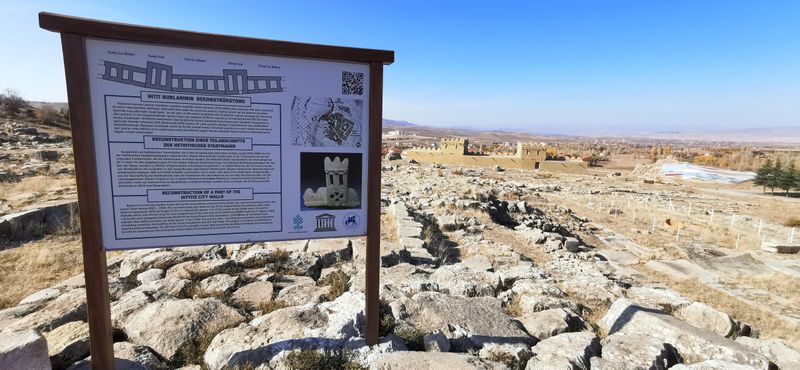
Hattusa
In Çorum, on the Anatolian plateau, the walled ancient city that was the capital of the Hittite Empire.