 TürkiyeCennet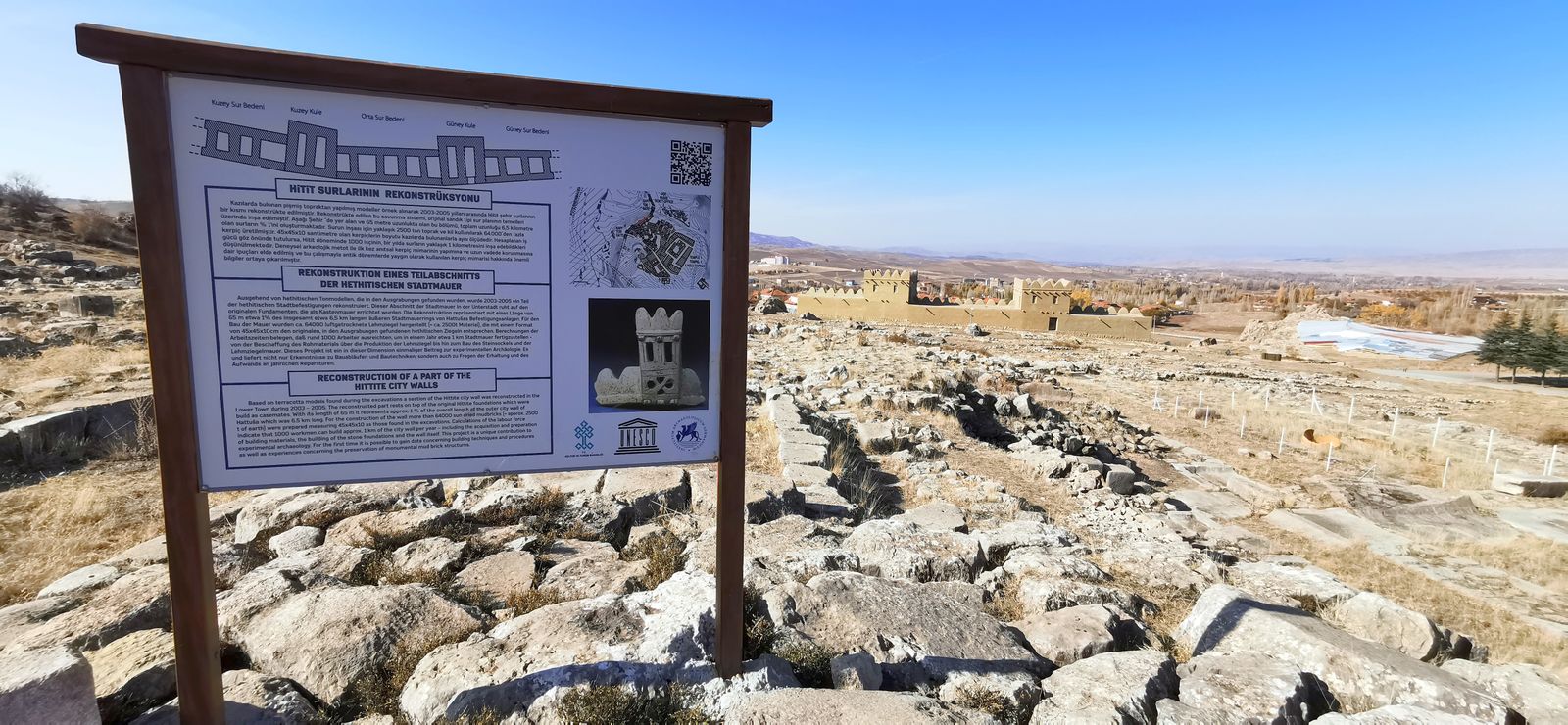
Hattusa
Central AnatoliaÇorum40.0186, 34.6153
Photo: Murat Özsoy 1958 · CC BY-SA 4.0 · source
In Çorum, on the Anatolian plateau, the walled ancient city that was the capital of the Hittite Empire.
Why go
Hattusa, in the northern part of the Central Anatolian plateau, was once the capital of the Hittite Empire, which ruled much of Anatolia and northern Syria. Today, spread across a wide landscape, its walls, gates and temple ruins carry the traces of a state tradition more than three thousand years old. The site was inscribed on the UNESCO World Heritage List in 1986.
Historical context
From the 17th to the 12th century BC, the city was the political, religious and cultural centre of the Hittites. Excavations that began in 1906 brought to light the state’s archive through the cuneiform tablets found here; these tablets are among the richest known sources on the diplomacy and law of their age, and are also inscribed in UNESCO’s Memory of the World register.
What you will see
The site is large and is explored along a route by car or on foot. The Lion Gate, the King’s Gate and the underground passage of Yerkapı show the city’s defensive and ceremonial architecture. The Great Temple and the temple district of the upper city give a sense of Hittite urban order. The nearby open-air sanctuary of Yazılıkaya is known for the reliefs of gods carved into the rock.
How to get there
Hattusa is in the district of Boğazkale, about 85 kilometres from central Çorum. The nearest airports are Ankara and Çorum-Merzifon; most visitors arrive by car via Ankara or Çorum. Because the site is large, driving between the main points saves time.
At the entrance to the site there is a visitor centre and a car park, and the route from there reaches the temple areas of the upper city. In the summer heat there is little shade, so the visit can be kept to the morning.
When to visit
Spring and autumn are the most balanced seasons for both temperature and scenery. Summer middays can be hot and shadeless, while winter on the plateau is cold and snowy. To explore the wide area, comfortable shoes, a hat and water are recommended.
Responsible visiting
The stone structures of Hattusa are thousands of years old and fragile. Not climbing on the walls and remains, staying on the marked route and respecting the excavation areas all matter for both conservation and safety. Depending on excavation and maintenance work, some sections may be temporarily closed; it is worth checking current details from an official source.
Nearby
The rock-carved sanctuary of Yazılıkaya is very close to the site and is added to the same visit. Alacahöyük, another Hittite centre, and the Çorum Museum are stops that complete the region’s Hittite heritage.
Sources and last reviewed
- Hattuşa (Boğazköy) — Hitit Başkenti, Çorum — Republic of Türkiye Ministry of Culture and Tourism — General Directorate of Cultural Heritage and Museums
- Hattuşa — Republic of Türkiye Ministry of Culture and Tourism — Culture Portal
Last reviewed:
Fees, hours and seasonal rules can change; confirm with the official source before visiting.
- Best time
- Spring and autumn; summer is hot and winter can be cold.
- How to get there
- About 85 km from central Çorum, at Boğazkale; nearest airports Ankara and Çorum-Merzifon.
- Coordinates
- 40.0186, 34.6153
- Nearby
- Boğazkale · Yazılıkaya · Alacahöyük · Çorum
Places in this region
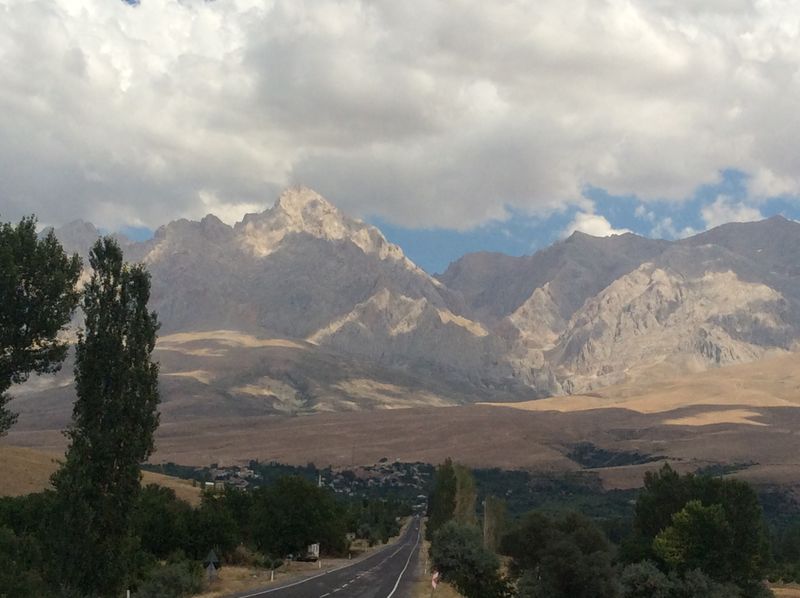
The Aladağlar
The hardest section of the Taurus range: limestone walls to 3,750 m, glacial valleys and almost no trees — the centre of technical mountaineering in Türkiye.
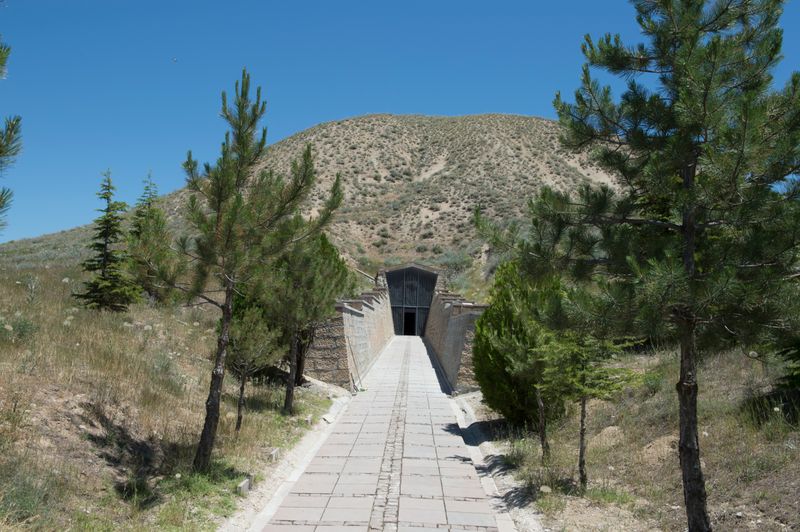
Gordion
West of Ankara, the capital of the Phrygian kingdom: you can walk inside the burial mound attributed to King Midas, and the Gordian Knot was cut here.
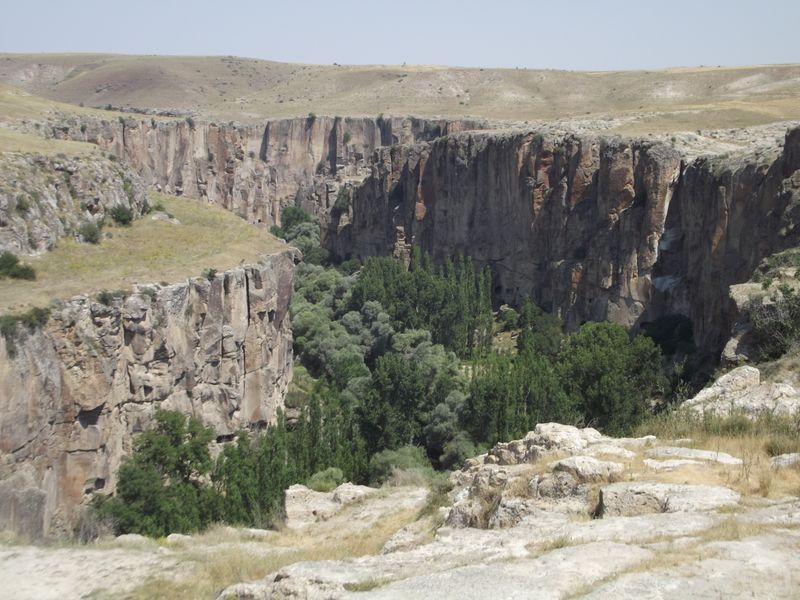
Ihlara Valley
In Aksaray, a deep canyon cut by the Melendiz stream, known for the frescoed rock churches carved into its walls.