 TürkiyeCennet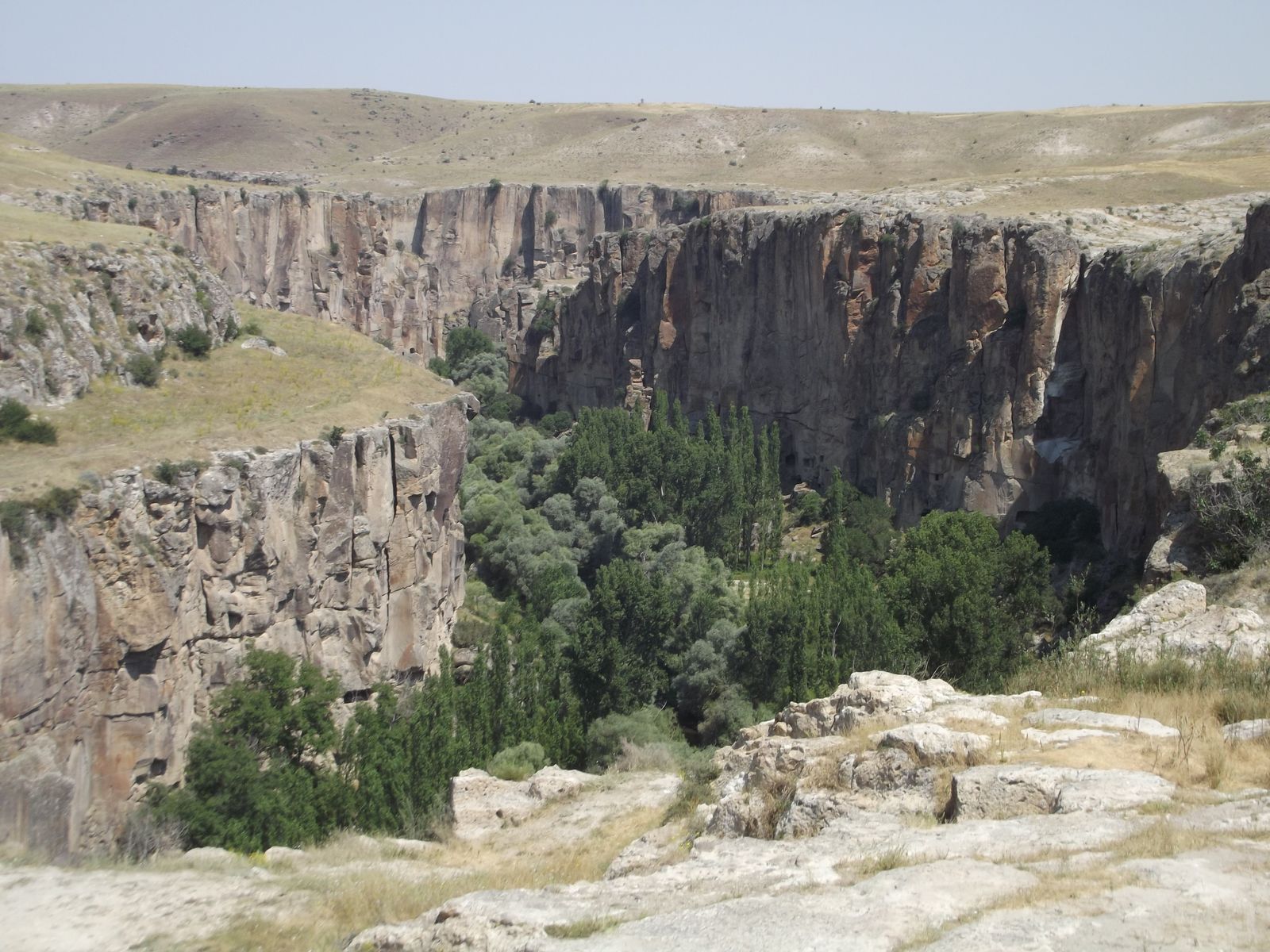
In Aksaray, a deep canyon cut by the Melendiz stream, known for the frescoed rock churches carved into its walls.
Why go
Ihlara Valley is a deep canyon that the Melendiz stream cut through volcanic ground over many centuries. A green valley floor runs along the canyon, while numerous rock churches from the early Christian period are carved into the steep walls. This combination makes the valley both a nature walk and a history route at once.
Historical context
Known in antiquity as Peristrema, the valley was for a long time a place of belief to which monastic communities withdrew. Some of the churches cut into the walls are decorated with frescoes depicting religious scenes of their time. The area is part of Cappadocia’s wider rock-settlement culture and connects to the underground cities, rock churches and monasteries nearby.
What you will see
You usually enter the valley by a stepped descent and follow the path that runs along the stream. Along the way you can visit frescoed churches such as Ağaçaltı, Yılanlı, Sümbüllü and Kırkdamaltı. The path can be continued through the streamside village of Belisırma and on north to Selime, where the Selime Cathedral is one of the largest rock-cut structures in the valley.
How to get there
Ihlara lies about 40 kilometres from central Aksaray and is easily reached by car. The nearest airports are Nevşehir Cappadocia and Kayseri. There are stairs on the descent to the valley floor; the full walk from Ihlara through Belisırma to Selime takes a few hours. If you prefer, you can walk a short section and return the same way.
When to visit
Spring and autumn are the most balanced seasons for both temperature and scenery. Summer middays can be hot, though the tree-shaded valley floor still offers some cool. Winter can be cold and snowy, and the path may be slippery. Sturdy walking shoes and water are recommended.
Responsible visiting
Ihlara Valley is at once a natural canyon and a history site with fragile frescoes. Not touching the paintings in the rock churches, not scratching the walls and staying on the marked path all matter for both the protection of the artworks and for safety. The ground along the stream can be damp and slippery, so sturdy shoes and careful footing are important. On hot days, carrying enough water, taking litter back out and leaving no trace are simple but effective steps toward keeping the valley intact for a long time.
Nearby
The streamside village of Belisırma is known for a rest stop within the valley and small camping grounds. Selime to the north, and Güzelyurt with its stone houses, are close stops that fit into the same day; the area also links by a short drive to Cappadocia’s fairy chimneys and underground cities.
Sources and last reviewed
- Ihlara Vadisi — Republic of Türkiye Ministry of Culture and Tourism — Culture Portal
- Aksaray Kiliseleri — Republic of Türkiye Ministry of Culture and Tourism — Aksaray Directorate
Last reviewed:
Fees, hours and seasonal rules can change; confirm with the official source before visiting.
- Best time
- Spring and autumn; summer is hot and winter can be cold and snowy.
- How to get there
- About 40 km from central Aksaray; nearest airports Nevşehir and Kayseri.
- Coordinates
- 38.25, 34.3167
- Nearby
- Belisırma · Selime · Güzelyurt · Aksaray
Places in this region
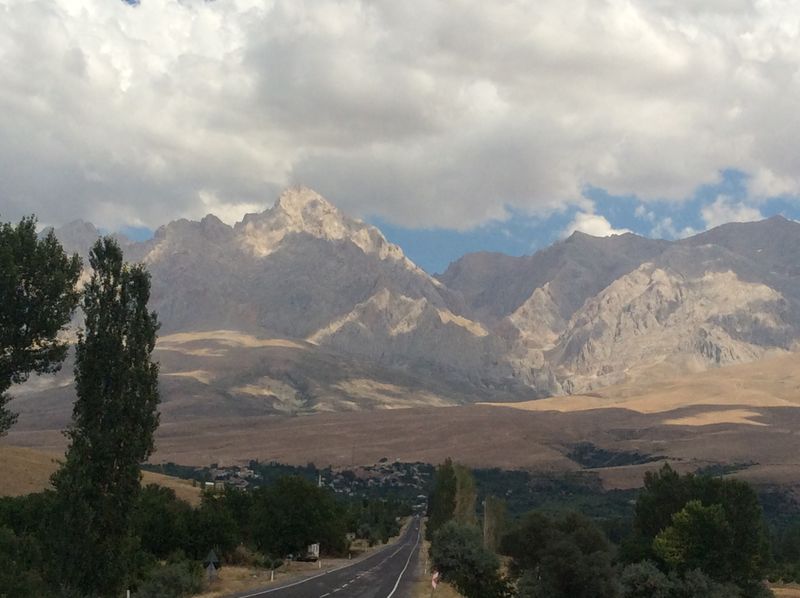
The Aladağlar
The hardest section of the Taurus range: limestone walls to 3,750 m, glacial valleys and almost no trees — the centre of technical mountaineering in Türkiye.
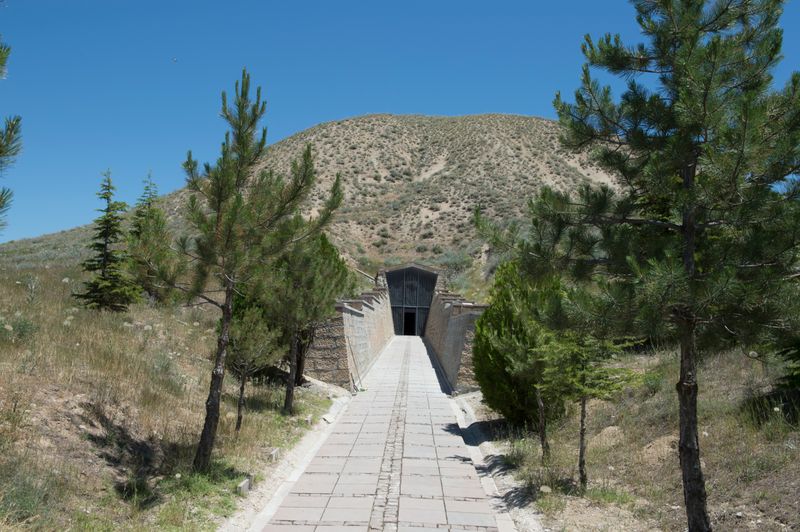
Gordion
West of Ankara, the capital of the Phrygian kingdom: you can walk inside the burial mound attributed to King Midas, and the Gordian Knot was cut here.
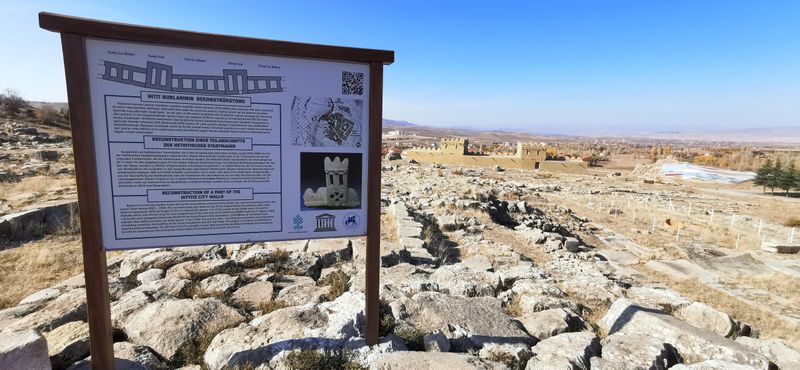
Hattusa
In Çorum, on the Anatolian plateau, the walled ancient city that was the capital of the Hittite Empire.