 TürkiyeCennet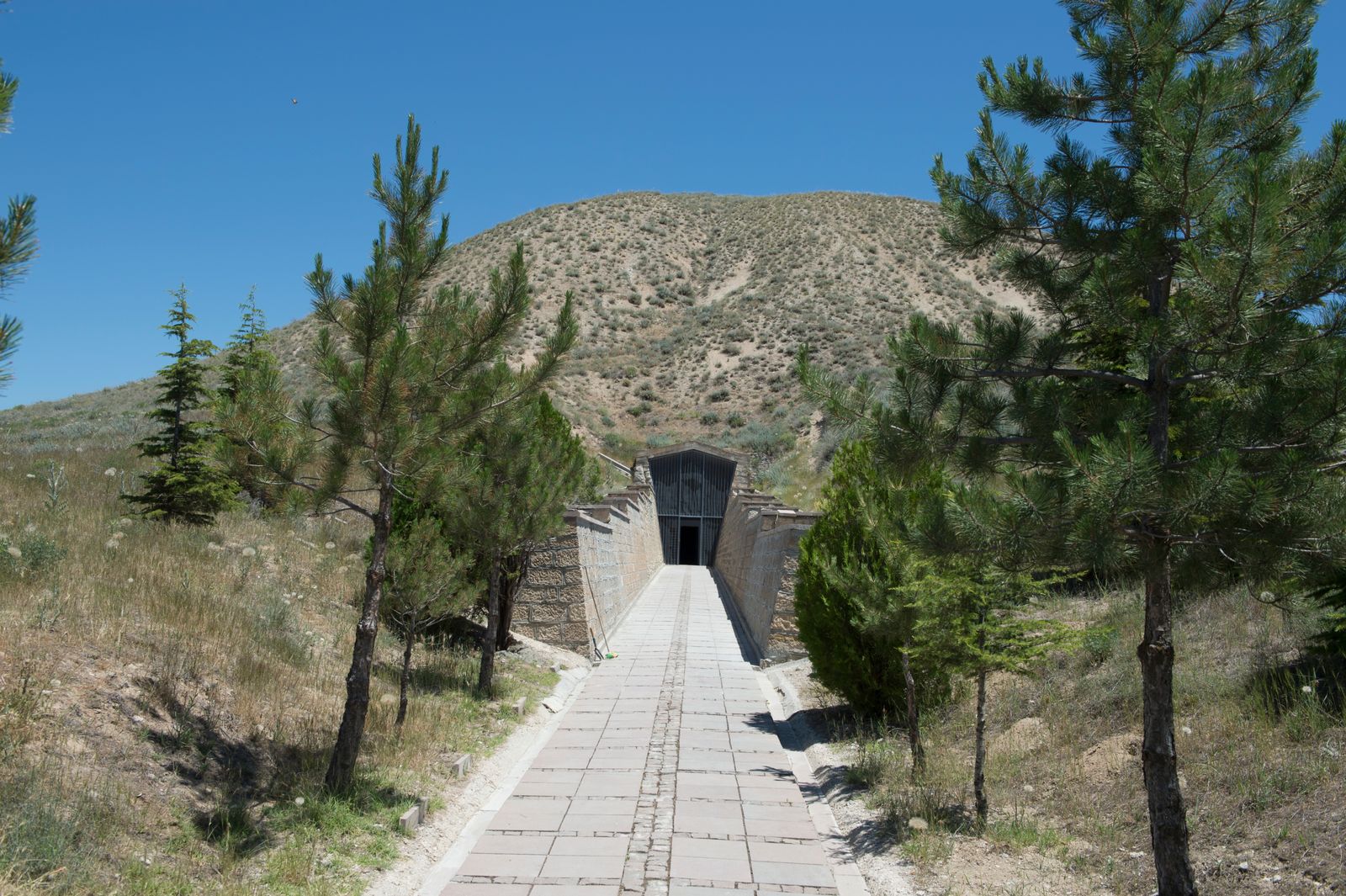
Gordion
Central AnatoliaAnkara39.6511, 31.9936
Photo: Dosseman · CC BY-SA 4.0 · source
West of Ankara, the capital of the Phrygian kingdom: you can walk inside the burial mound attributed to King Midas, and the Gordian Knot was cut here.
Why go
On the Anatolian steppe an hour and a half west of Ankara sits a site that at first glance looks like nothing more than a few earth mounds. This is Gordion, capital of the Phrygian kingdom, and two of the more durable stories in the Western canon start here.
The first is the Gordian Knot. According to the ancient account, a knot was tied in the city and whoever undid it was promised the rule of Asia. Alexander arrived in 333 BC and, rather than pick at it, cut it with his sword. The phrase still means solving a tangled problem by direct means.
The second is King Midas. The legend of a king whose touch turned everything to gold attaches to a real Phrygian ruler, and the largest mound on the site is thought to be the tomb of Midas or of his father.
Going inside the tomb
This is what makes Gordion worth the drive. A tunnel leads into the Great Tumulus, roughly 53 m high, and you walk to the timber burial chamber at its centre. The chamber dates from the 8th century BC and is among the oldest standing wooden structures in the world — juniper and pine logs preserved for three thousand years by the earth heaped over them.
Standing inside and looking up at that ceiling is something no photograph conveys. The king’s skeleton, bronze vessels and furniture found in the chamber are in the Museum of Anatolian Civilizations in Ankara, while the Gordion Museum on site holds a substantial share of the excavation finds.
The city mound
Beside the tumulus lies the höyük, the settlement mound where the Phrygians actually lived. The citadel gate, a stone-paved ramp and building foundations are visible. This is not Ephesus or Pergamon — nothing stands in colonnade here, and what you see is foundation level. But it is the principal place where the Phrygians left their mark in Anatolia, and with the context in mind it lands.
More than a hundred tumuli are scattered across the surrounding steppe. They look like natural hillocks at a distance; every one of them is a grave.
What to know before you go
Gordion was inscribed on the UNESCO World Heritage List in 2023, making it one of Türkiye’s newest listings — and one reason it still receives comparatively few visitors.
The steppe climate is severe: over 35 °C with no shade in summer, cold and windy in winter. April–May and September–October are the workable months. The site is run by the Ministry, so the Museum Pass applies. It makes a straightforward day trip from Ankara, and is commonly combined with the Battle of Sakarya sites around Polatlı.
Sources and last reviewed
- Gordion — UNESCO World Heritage Centre
- Museums and archaeological sites — Republic of Türkiye Ministry of Culture and Tourism
Last reviewed:
Fees, hours and seasonal rules can change; confirm with the official source before visiting.
- Best time
- April–May and September–October; the steppe is very hot in summer and very cold in winter.
- How to get there
- 95 km from Ankara, 18 km from Polatlı. Public transport is limited; a car is advisable.
- Coordinates
- 39.6511, 31.9936
- Nearby
- Polatlı · Yassıhöyük · Ankara · Ballıhisar
Places in this region
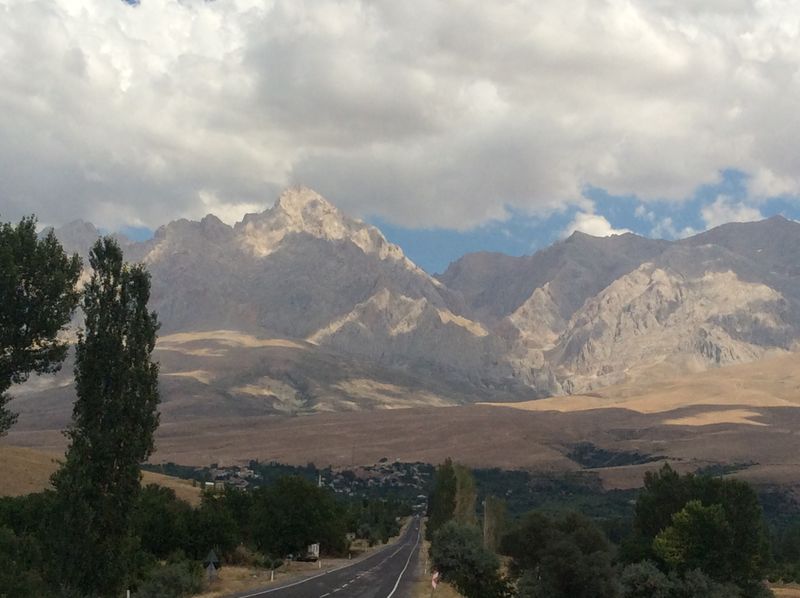
The Aladağlar
The hardest section of the Taurus range: limestone walls to 3,750 m, glacial valleys and almost no trees — the centre of technical mountaineering in Türkiye.
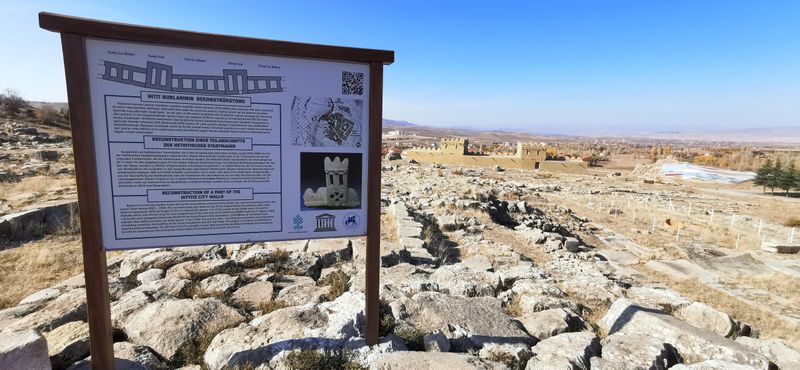
Hattusa
In Çorum, on the Anatolian plateau, the walled ancient city that was the capital of the Hittite Empire.
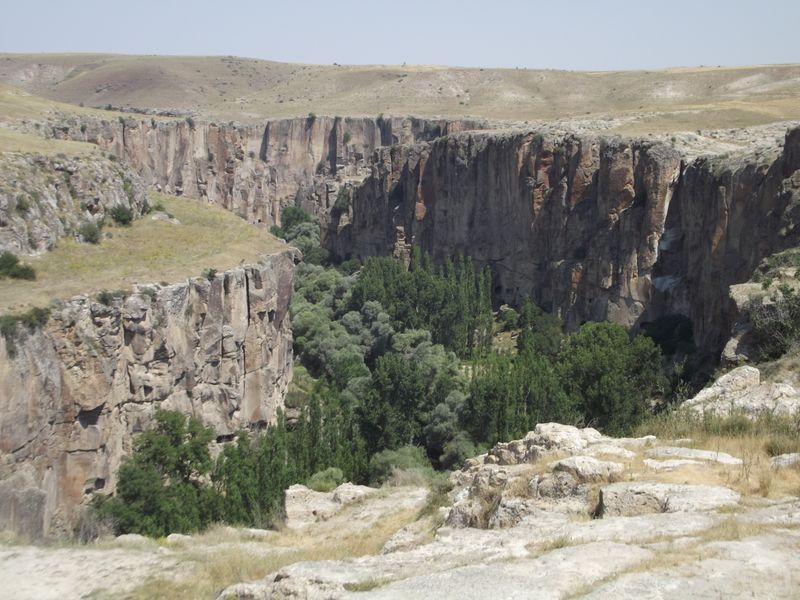
Ihlara Valley
In Aksaray, a deep canyon cut by the Melendiz stream, known for the frescoed rock churches carved into its walls.