 TürkiyeCennet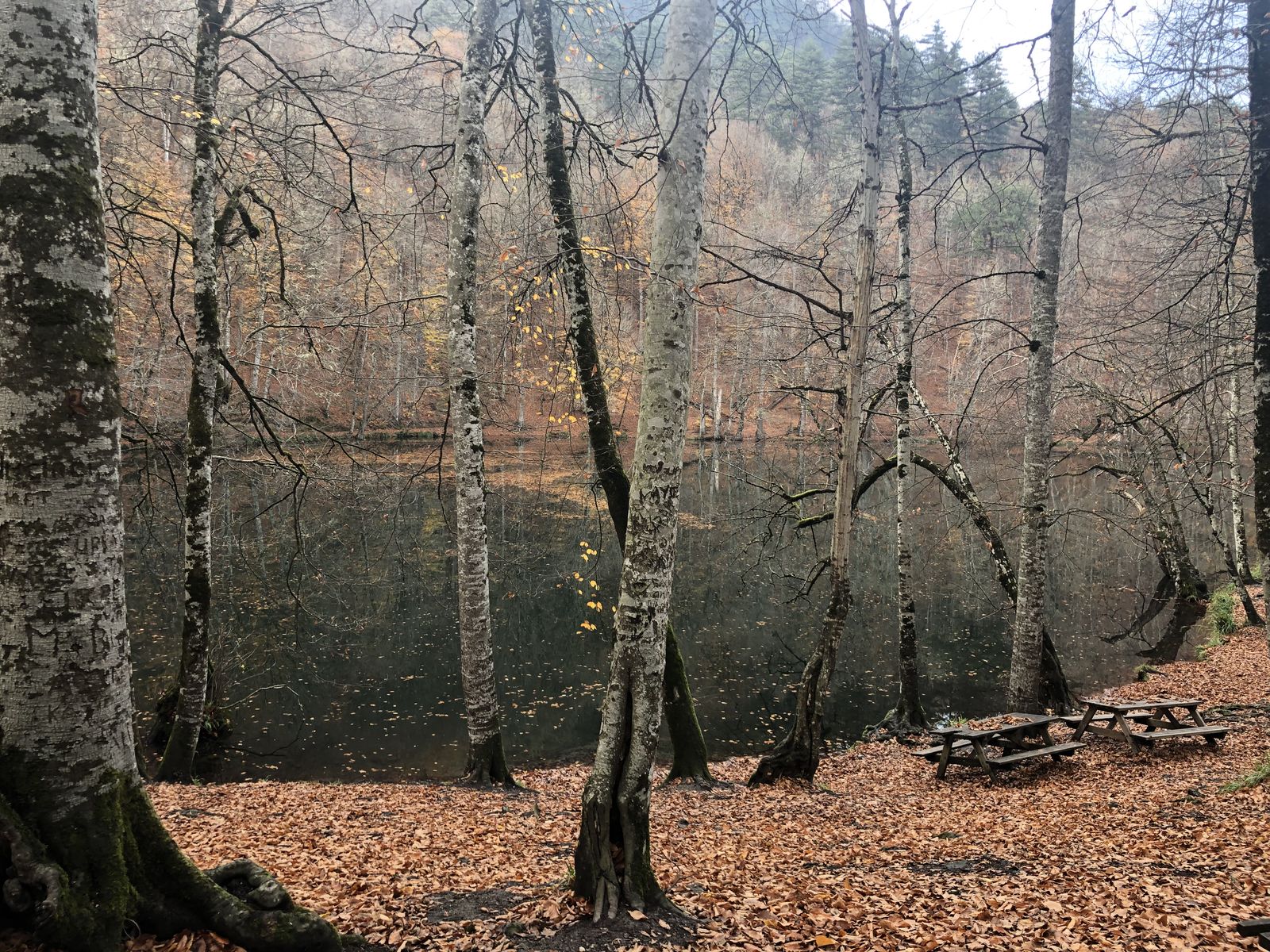
Yedigöller National Park
Black SeaBolu40.9450, 31.7472
Photo: EcenurErtik · CC BY-SA 4.0 · source
North of Bolu, seven small landslide-dammed lakes inside a mixed deciduous forest — the best-known place in Türkiye to see autumn colour.
Why go
The name is a little misleading. The seven lakes here are small — some closer to ponds than lakes. What makes Yedigöller worth the drive is not the water but the forest around it.
The distinguishing feature of that forest is that it is mixed. Beech, oak, hornbeam, alder, maple and conifers all grow on the same slope, and each turns a different colour at a slightly different time. The result, running from late October into the middle of November, is a broad palette moving through yellow, copper and red rather than the single flat tone a uniform forest produces. When people in Türkiye think of autumn, they think of this place, and the reason is entirely that species mix.
The lakes themselves are landslide-formed: masses coming off the slopes blocked streams at several points, leaving seven separate pools linked by underground seepage. They are named Büyükgöl, Deringöl, Seringöl, Nazlıgöl, Küçükgöl, İncegöl and Sazlıgöl.
Getting around
A road loops between the lakes and can be driven, but the park is better on foot. The distances between lakes are short and there are waymarked paths and boardwalks throughout. Walking the full circuit takes about half a day.
There is a campsite and a set of cabins inside the park. On autumn weekends both are booked out months ahead; going midweek makes both accommodation and the view considerably easier.
When to go
Late October and early November is the peak, and for exactly that reason the busiest period. The precise moment of peak colour shifts by a couple of weeks from year to year, so it is worth checking current conditions before committing to a date.
Spring deserves more attention than it gets: the forest is dense green, the streams are full and there are far fewer people. In winter the park is under snow and looks superb, but the road can close — check before setting out.
What to know before you go
The park charges admission, with a separate vehicle fee. The road up from Bolu is narrow, winding and partly unsurfaced; it needs care in a large vehicle or in wet weather. On autumn weekends queues form at the gate and the vehicle quota can fill — arriving early in the morning is the reliable approach.
Food inside the park is limited, so bring supplies. Lighting fires is prohibited and camping is restricted to the designated area. For current fees, hours and any closures, see tabiat.gov.tr.
Sources and last reviewed
- Tabiat — protected areas and visitor information — Republic of Türkiye Ministry of Agriculture and Forestry
- Bolu Provincial Directorate of Culture and Tourism — Republic of Türkiye Ministry of Culture and Tourism
Last reviewed:
Fees, hours and seasonal rules can change; confirm with the official source before visiting.
- Best time
- Late October to early November for autumn colour; spring is green and far quieter.
- How to get there
- 42 km from Bolu on a narrow, winding road that can close under snow in winter.
- Coordinates
- 40.945, 31.7472
- Nearby
- Bolu · Lake Abant · Gölcük · Mengen
Places in this region
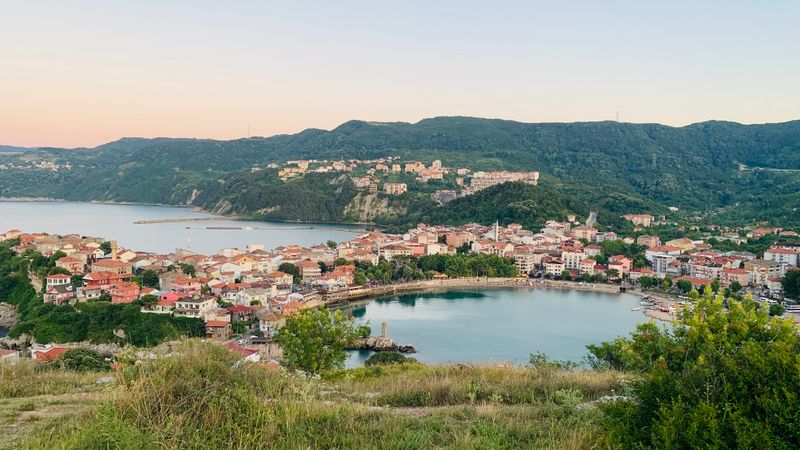
Amasra
In Bartın, a walled historic Black Sea harbour town set on a peninsula that divides two coves.
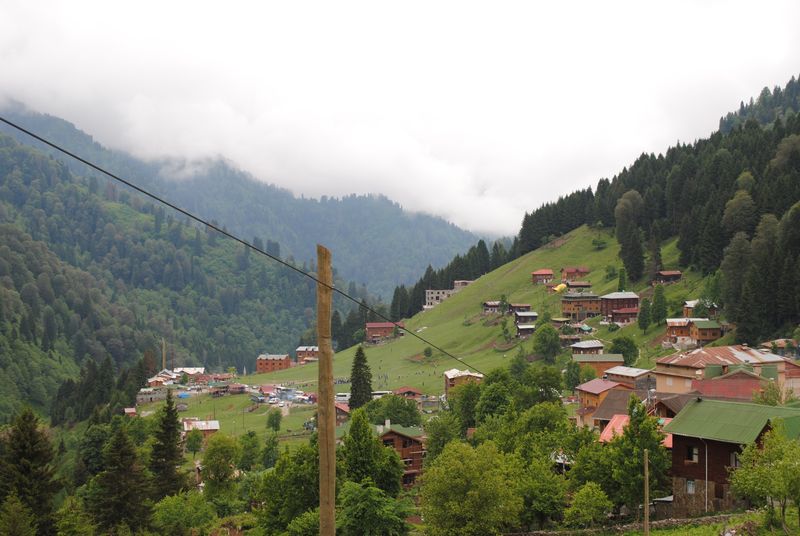
Ayder Highland
In Rize, at the foot of the Kaçkars, a Black Sea highland known for misty forests, waterfalls and a hot spring.
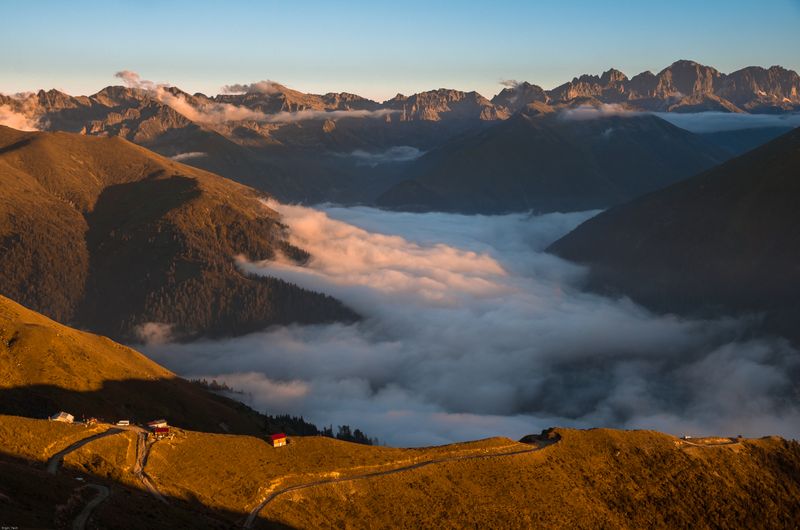
The Kaçkar Mountains
Behind the eastern Black Sea coast, a glaciated range approaching 3,900 m: timber highland settlements, glacial lakes, and the shortest and greenest mountain season in Türkiye.