 TürkiyeCennet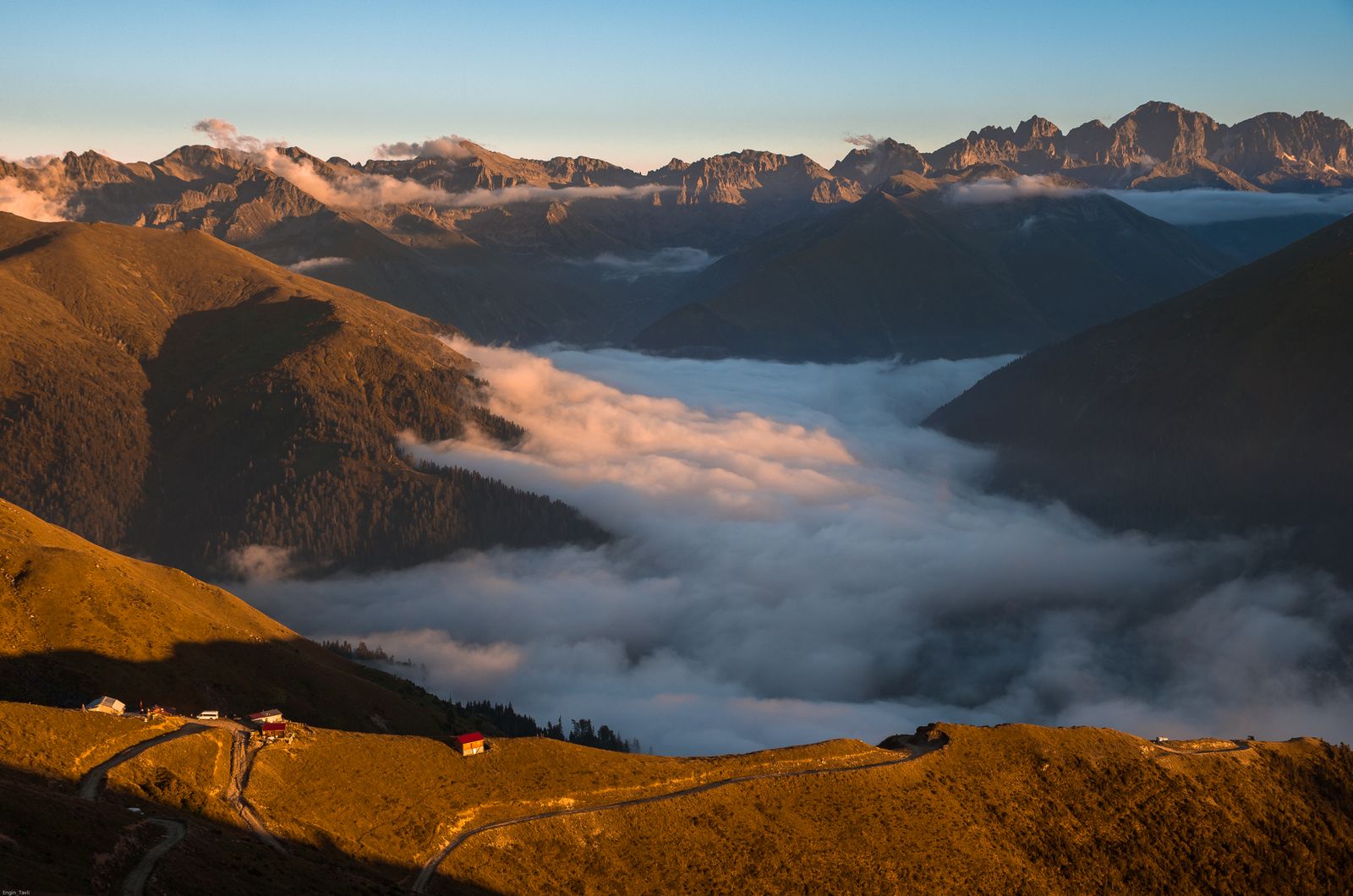
The Kaçkar Mountains
Black SeaRize40.8342, 41.1567
Photo: Engin Tavlı · CC BY-SA 4.0 · source
Behind the eastern Black Sea coast, a glaciated range approaching 3,900 m: timber highland settlements, glacial lakes, and the shortest and greenest mountain season in Türkiye.
Why go
Driving the Black Sea coast you have the sea on one side and steep green slopes on the other. Most people never find out what lies behind those slopes: the Kaçkars, a genuine glaciated range rising to 3,937 m. This is the part of Türkiye that most resembles the Alps — except that, unlike the dry high mountains of eastern Anatolia, the Kaçkars are green. Moist air off the sea hits the wall of the range, turns to rain, and pushes forest up to around 2,000 m.
The result is a landscape you will not find anywhere else in the country: glacial lake, snow patch, spruce forest and rows of timber highland houses, all in the same frame.
The yayla settlements
The Kaçkars are not one summit but a network of yayla — high summer pastures — and the culture here is built around them. Families move up with their animals in summer and come down in September. That cycle is still running; these are working settlements, not museum villages.
Ayder is the best known and the easiest to reach. It has hot springs and, over the past two decades, rather too much construction. For the real character you have to go higher. Pokut and Sal are two pastures whose wooden houses line a cliff edge above the cloud, and the sight of mist sitting below you at dawn is the signature image of the region. Elevit, Palovit and Hazindak lie further in and stay quieter.
Driving up the Fırtına valley you pass Ottoman-era arched stone bridges, several of which are still in everyday use.
Walking
The Kaçkars are not a single waymarked long-distance route but a web of paths between passes and lakes. The summit is usually approached from Ayder or Yukarı Kavron over two days and needs no technical climbing — but the altitude and the weather deserve respect.
Deniz Gölü, Öküz Gölü and the surrounding glacial lakes are the most-walked destinations. You can meet snow on the passes even in midsummer.
What to know before you go
The season is short: July to September. In June the roads may still be under snow; by October fog and cold have set in. Conditions turn within the hour — 5 °C and rain are possible in August. A waterproof layer and one warm layer belong in the pack regardless of the forecast.
There is little or no mobile coverage in the upper pastures. Download offline maps and tell someone where you are going; the emergency number is 112. The yayla roads are unsurfaced and narrow, and an ordinary car will not manage all of them — local minibuses or a 4x4 are the safer choice.
Accommodation is in guesthouses and cabins in the pastures, and August books out in advance. Camping is common, but asking at a yayla house and pitching on their ground is both safer and more in keeping with local custom.
Sources and last reviewed
- Tabiat — protected areas and visitor information — Republic of Türkiye Ministry of Agriculture and Forestry
- Rize Provincial Directorate of Culture and Tourism — Republic of Türkiye Ministry of Culture and Tourism
Last reviewed:
Fees, hours and seasonal rules can change; confirm with the official source before visiting.
- Best time
- July to September; snow before, fog and cold after. Rain is possible in any month.
- How to get there
- 80 km from Rize; drive as far as Ayder. Higher pastures are on unsurfaced roads — 4x4 or local minibus.
- Coordinates
- 40.8342, 41.1567
- Nearby
- Ayder · Çamlıhemşin · Pokut · Fırtına Valley
Places nearby
Within about 50 km of here:
- Ayder Highland14 km
Places in this region
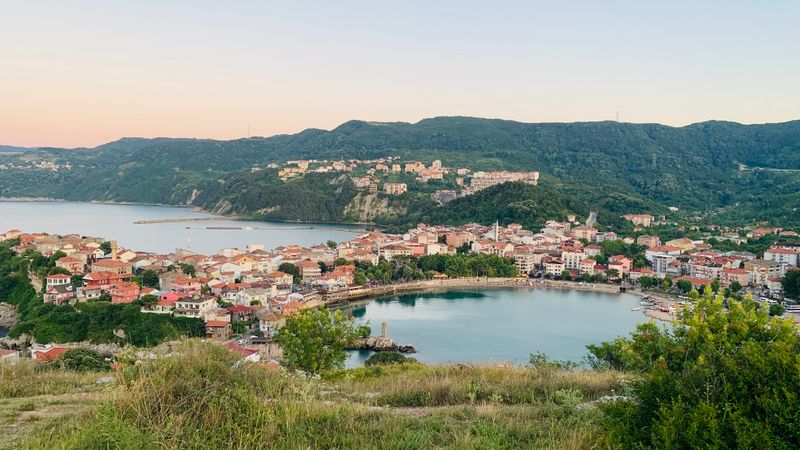
Amasra
In Bartın, a walled historic Black Sea harbour town set on a peninsula that divides two coves.
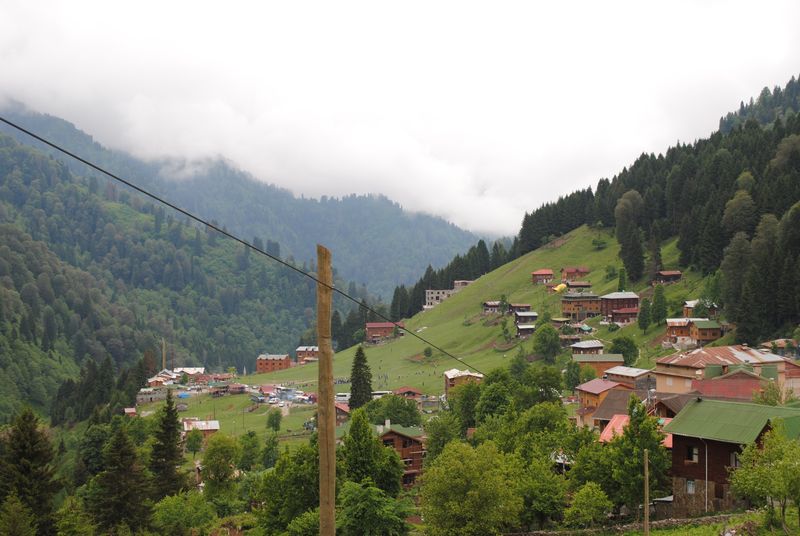
Ayder Highland
In Rize, at the foot of the Kaçkars, a Black Sea highland known for misty forests, waterfalls and a hot spring.
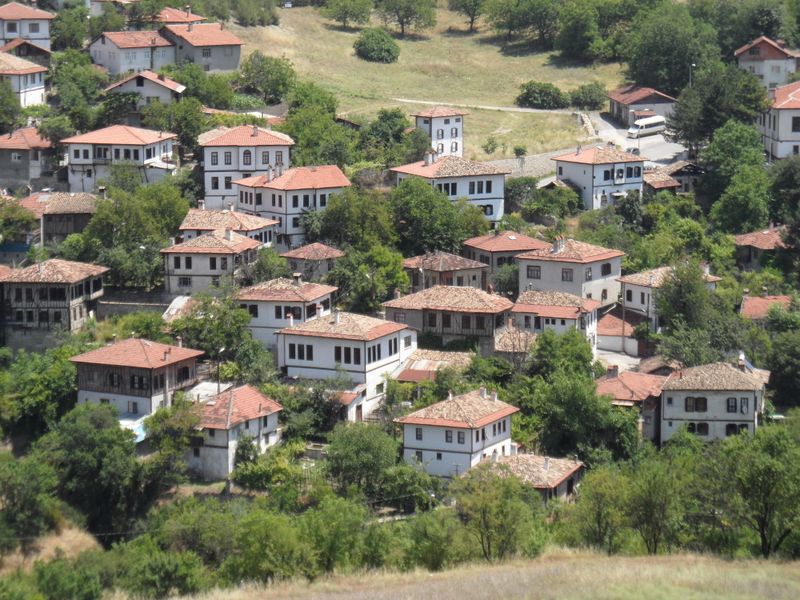
Safranbolu
In the western Black Sea hills, a caravan-route town whose entire Ottoman fabric survives intact: timber mansions with projecting bays, a working bazaar, and the saffron it is named after.