 TürkiyeCennet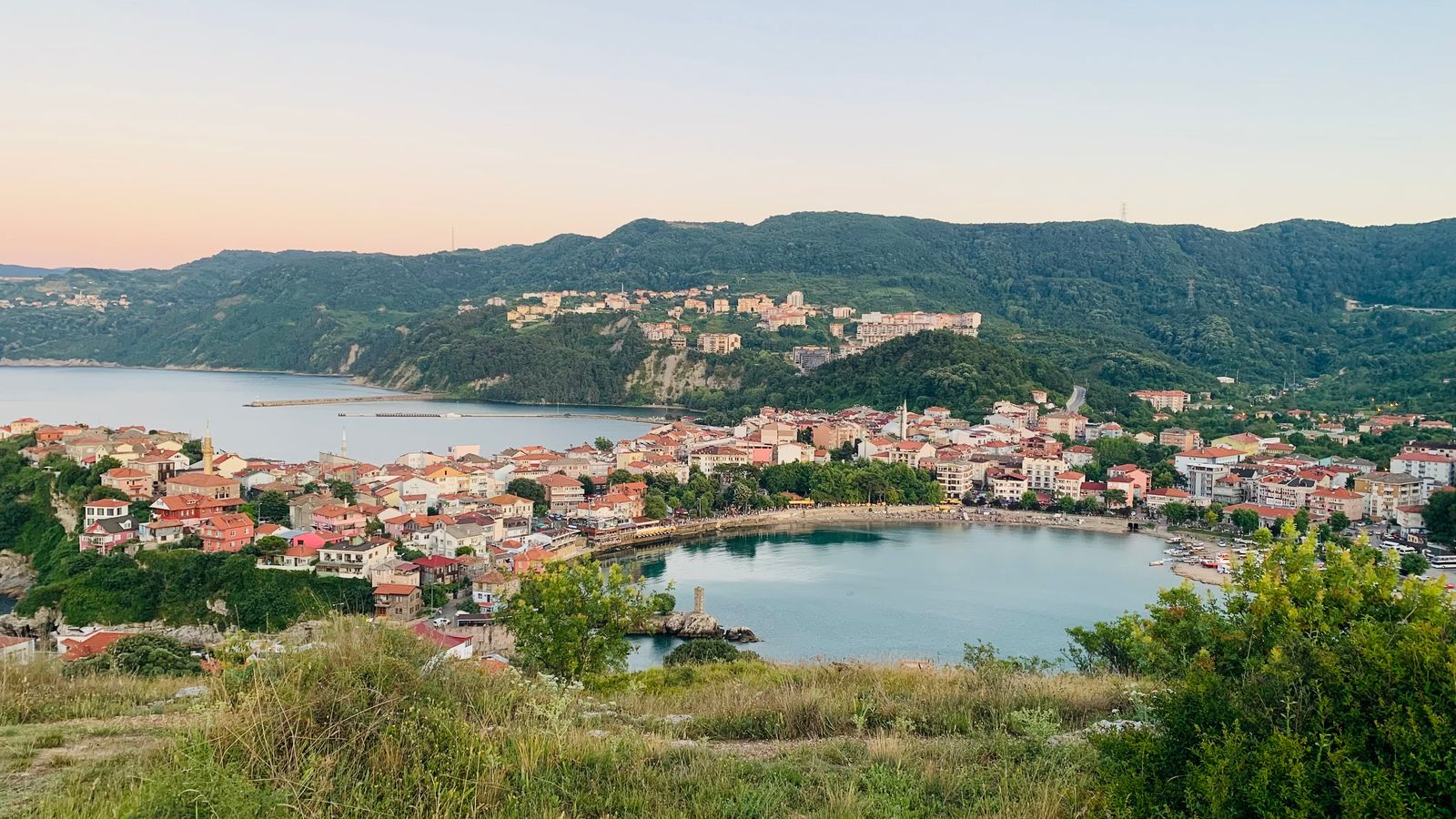
In Bartın, a walled historic Black Sea harbour town set on a peninsula that divides two coves.
Why go
Amasra is a small but striking harbour town on the Black Sea coast. Its peninsula reaching into the sea, its two separate coves, the stone bridge linking an island to the mainland and its narrow lanes place it among the region’s most-loved stops. Amasra Castle, carrying traces of Roman, Byzantine, Genoese and Ottoman periods, is on the UNESCO World Heritage Tentative List.
Historical context
Natural harbours made the town a trading point from very early times. It passed through many rulers over the centuries and grew especially as a port colony under Genoese control, before becoming part of Ottoman lands in 1460. This layered past can still be read in the castle walls, in buildings converted from churches and in the fabric of the town itself.
What you will see
Inside the castle you wander narrow streets, old houses and bastions overlooking the two coves. The bridge to Boztepe island is one of the town’s best-known viewpoints. The small Amasra Museum gathers ancient and medieval finds from the surrounding area. In the market, woodcarving and the fish-centred tables of Black Sea cooking stand out.
How to get there
Amasra lies about 17 kilometres from central Bartın and is easily reached by car. The nearest airports are Zonguldak and Kastamonu; many visitors arrive in Bartın by bus and complete the last stretch by shared minibus. The town is small enough to explore on foot, though comfortable shoes help on the sloping lanes.
When to visit
Late spring and summer are best for the sea and the coast, while autumn is quieter and cooler. Because the Black Sea climate can bring rain at any time of year, it is worth packing a rain jacket. Weekends and the summer holidays can be busy; mornings are more relaxed.
Responsible visiting
Amasra Castle and the historic buildings around it hold a fragile fabric from several different periods at once. While wandering among the walls and old houses, it matters to follow the signs and to avoid damaging the stonework. Because this coastal town can grow crowded in summer and at weekends, it is often more comfortable to leave a car away from the centre and continue on foot. In the swimming coves, it is wise to watch the currents and the weather and to follow local warnings.
Nearby
The centre of Bartın, with its wooden houses and riverside, is worth a short stop. Heading east along the coast, the coves toward Çakraz, Bozköy and Kurucaşile are known for their beaches and small camping grounds; Kurucaşile, famous for wooden boat building, sits at the end of this route.
Sources and last reviewed
- Amasra — Republic of Türkiye Ministry of Culture and Tourism — Bartın Directorate
- Amasra Müzesi — Republic of Türkiye Ministry of Culture and Tourism — Culture Portal
Last reviewed:
Fees, hours and seasonal rules can change; confirm with the official source before visiting.
- Best time
- Late spring and summer; autumn is quiet and cool.
- How to get there
- About 17 km from central Bartın; nearest airports Zonguldak and Kastamonu.
- Coordinates
- 41.7472, 32.3861
- Nearby
- Bartın · Çakraz · Kurucaşile · Bozköy
Places in this region
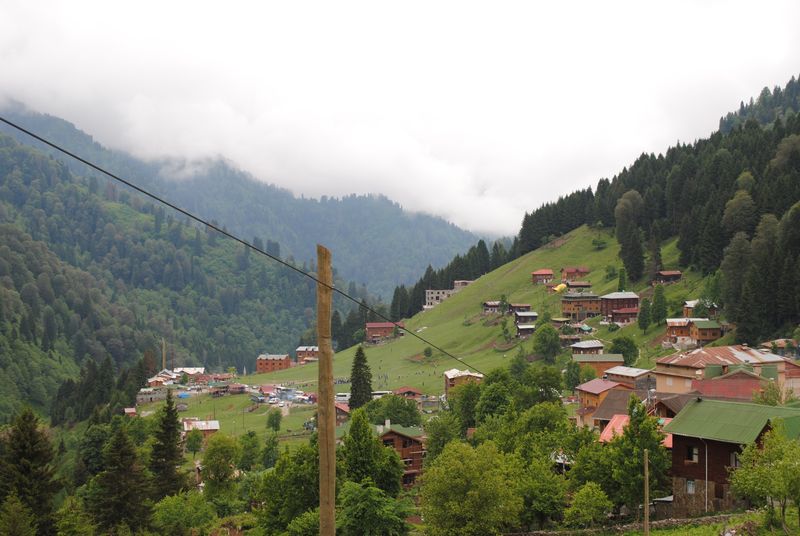
Ayder Highland
In Rize, at the foot of the Kaçkars, a Black Sea highland known for misty forests, waterfalls and a hot spring.
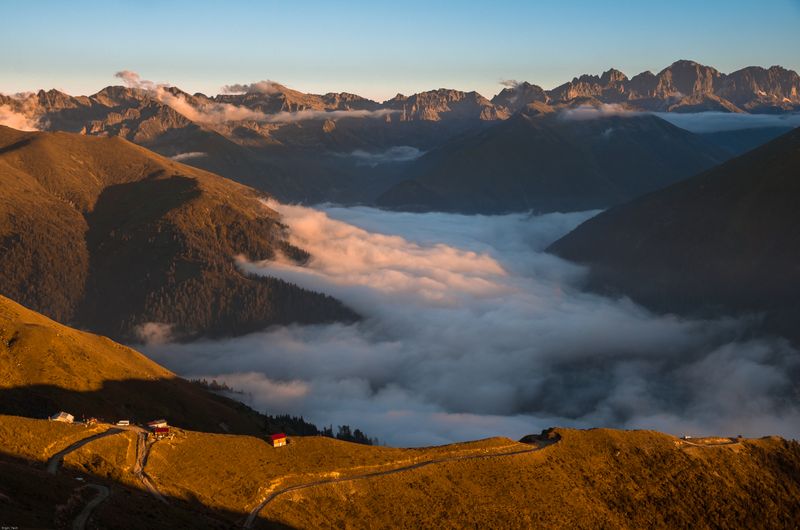
The Kaçkar Mountains
Behind the eastern Black Sea coast, a glaciated range approaching 3,900 m: timber highland settlements, glacial lakes, and the shortest and greenest mountain season in Türkiye.
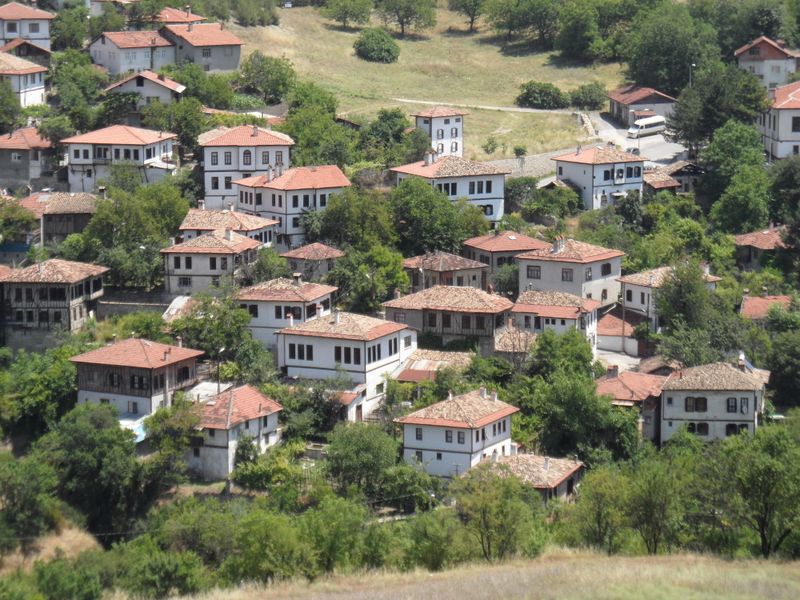
Safranbolu
In the western Black Sea hills, a caravan-route town whose entire Ottoman fabric survives intact: timber mansions with projecting bays, a working bazaar, and the saffron it is named after.