 TürkiyeCennet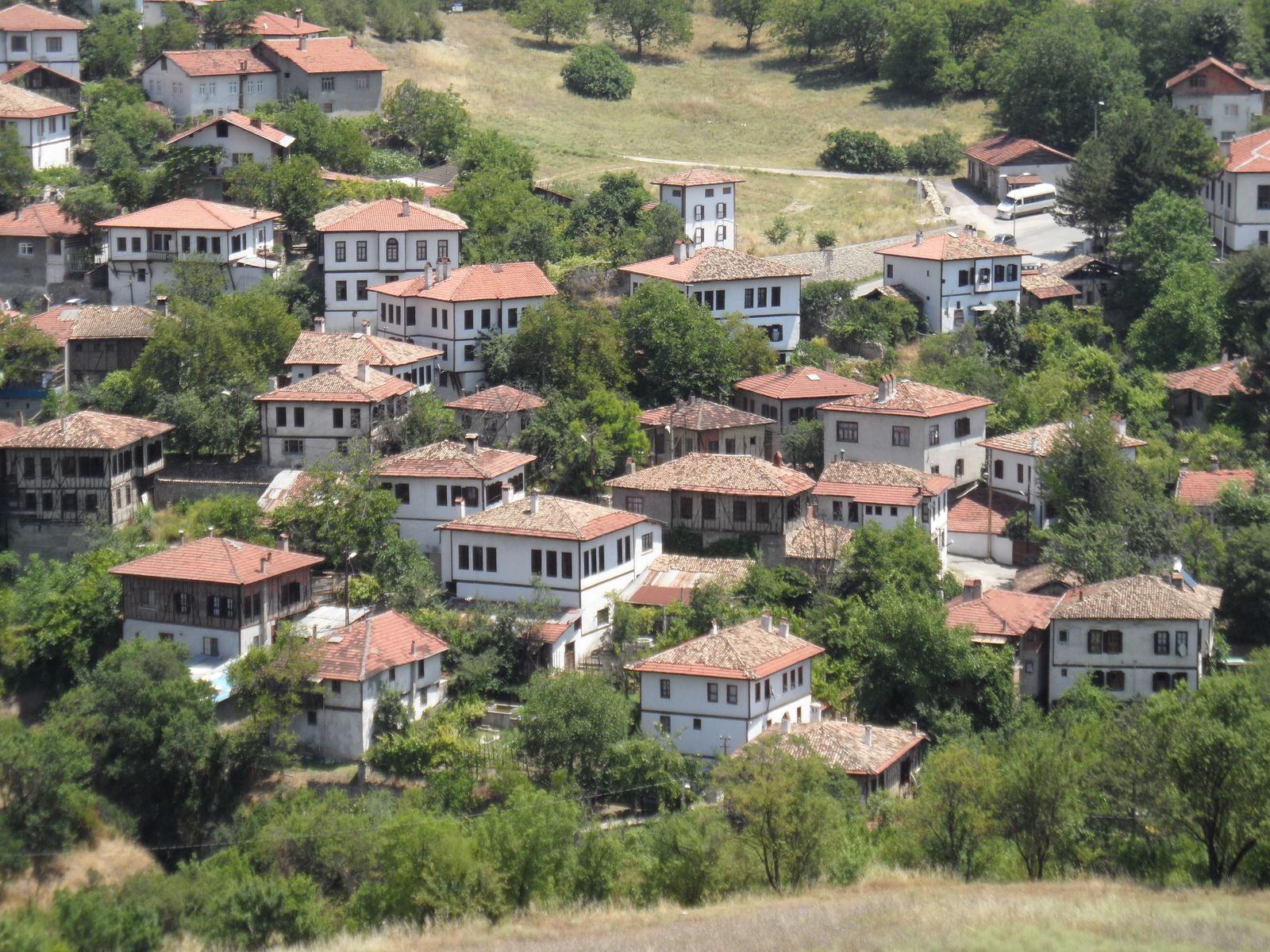
In the western Black Sea hills, a caravan-route town whose entire Ottoman fabric survives intact: timber mansions with projecting bays, a working bazaar, and the saffron it is named after.
Why go
Türkiye has no shortage of individually beautiful Ottoman houses. What sets Safranbolu apart is that what survives here is not a set of houses but a whole town: the street pattern, the layout of the bazaar, the way the houses sit relative to one another, and the logic that decided who got which view. All of it is still legible.
That is not luck. Safranbolu stood on the caravan route linking Istanbul with the Black Sea ports and the Anatolian interior, and it grew rich on that traffic between the 17th and 19th centuries. When the railway and later the highways took different lines, the town was left economically behind — and it was precisely that stagnation, removing any pressure to demolish and rebuild, that preserved the fabric. It was inscribed on the UNESCO World Heritage List in 1994.
The houses and the bazaar
Around 2,000 registered buildings survive. The typical Safranbolu mansion has three storeys: a stone ground floor for animals and storage, timber-framed upper floors infilled with mud brick, bays projecting out over the street, and inside a başoda where the woodwork is concentrated. Several are open as museums or small hotels; the Kaymakamlar House is the best for seeing how the interior actually worked.
The Çarşı quarter is the heart of the town. Cinci Han, a 17th-century caravanserai, now operates as a hotel, and the Cinci Hamam beside it is still a working bath. The covered market holds blacksmiths, saddlers, coppersmiths and Turkish delight makers. Some of it is aimed at visitors, but the crafts are genuinely still practised.
The town has two settlements: Çarşı, lived in through the winter, and Bağlar, the summer quarter up among the vineyards — a split characteristic of caravan towns.
Saffron
The town takes its name from saffron and is one of the few places in Türkiye where it is grown. The harvest falls in late October and early November, and the flower is open for only a couple of weeks. Saffron is the most expensive spice in the world because each flower yields just three stigmas, all picked by hand.
Some of the saffron sold in the shops here is imported. It is worth asking which is local and questioning anything cheap — real saffron never is.
Nearby
Outside the town are the glass viewing terrace over Tokatlı Canyon and the 19th-century İncekaya Aqueduct. Yörük Village, 11 km away, has much the same architecture and almost no visitors — the right address if the crowds get much.
At weekends, particularly in autumn, Safranbolu fills with day visitors from Ankara and Istanbul. Coming midweek turns it into a different town entirely.
Sources and last reviewed
- City of Safranbolu — UNESCO World Heritage Centre
- Karabük Provincial Directorate of Culture and Tourism — Republic of Türkiye Ministry of Culture and Tourism
Last reviewed:
Fees, hours and seasonal rules can change; confirm with the official source before visiting.
- Best time
- Spring and autumn; late October to early November is the saffron harvest. Beautiful under snow too.
- How to get there
- 220 km from Ankara, 400 km from Istanbul; 8 km from Karabük, with regular buses and minibuses.
- Coordinates
- 41.2506, 32.6903
- Nearby
- Karabük · Yörük Village · Tokatlı Canyon · İncekaya Aqueduct
Places in this region
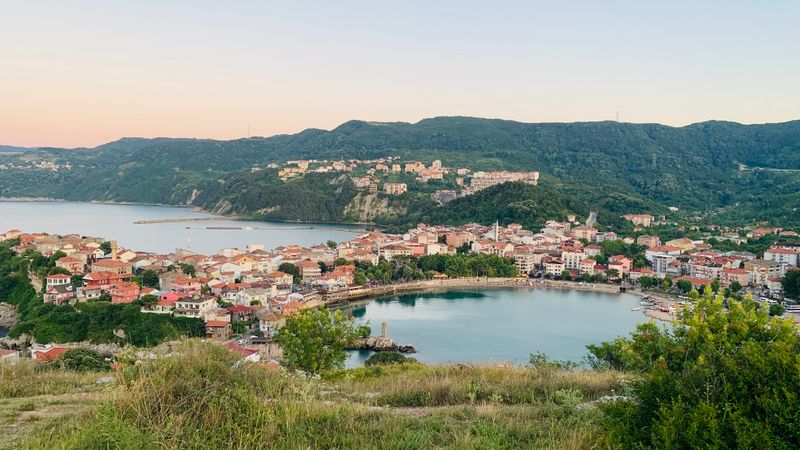
Amasra
In Bartın, a walled historic Black Sea harbour town set on a peninsula that divides two coves.
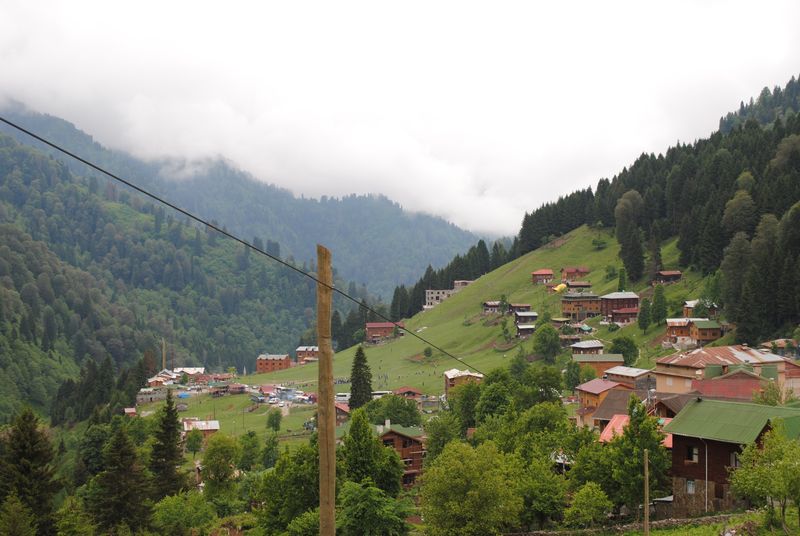
Ayder Highland
In Rize, at the foot of the Kaçkars, a Black Sea highland known for misty forests, waterfalls and a hot spring.
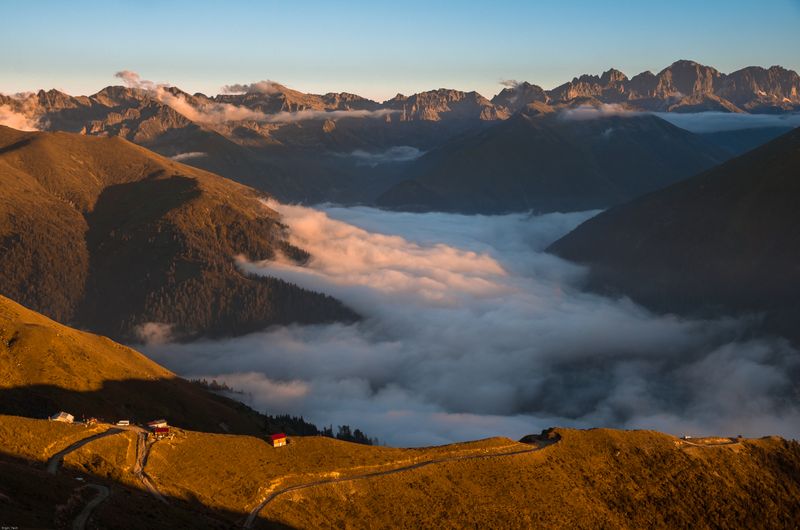
The Kaçkar Mountains
Behind the eastern Black Sea coast, a glaciated range approaching 3,900 m: timber highland settlements, glacial lakes, and the shortest and greenest mountain season in Türkiye.