 TürkiyeCennet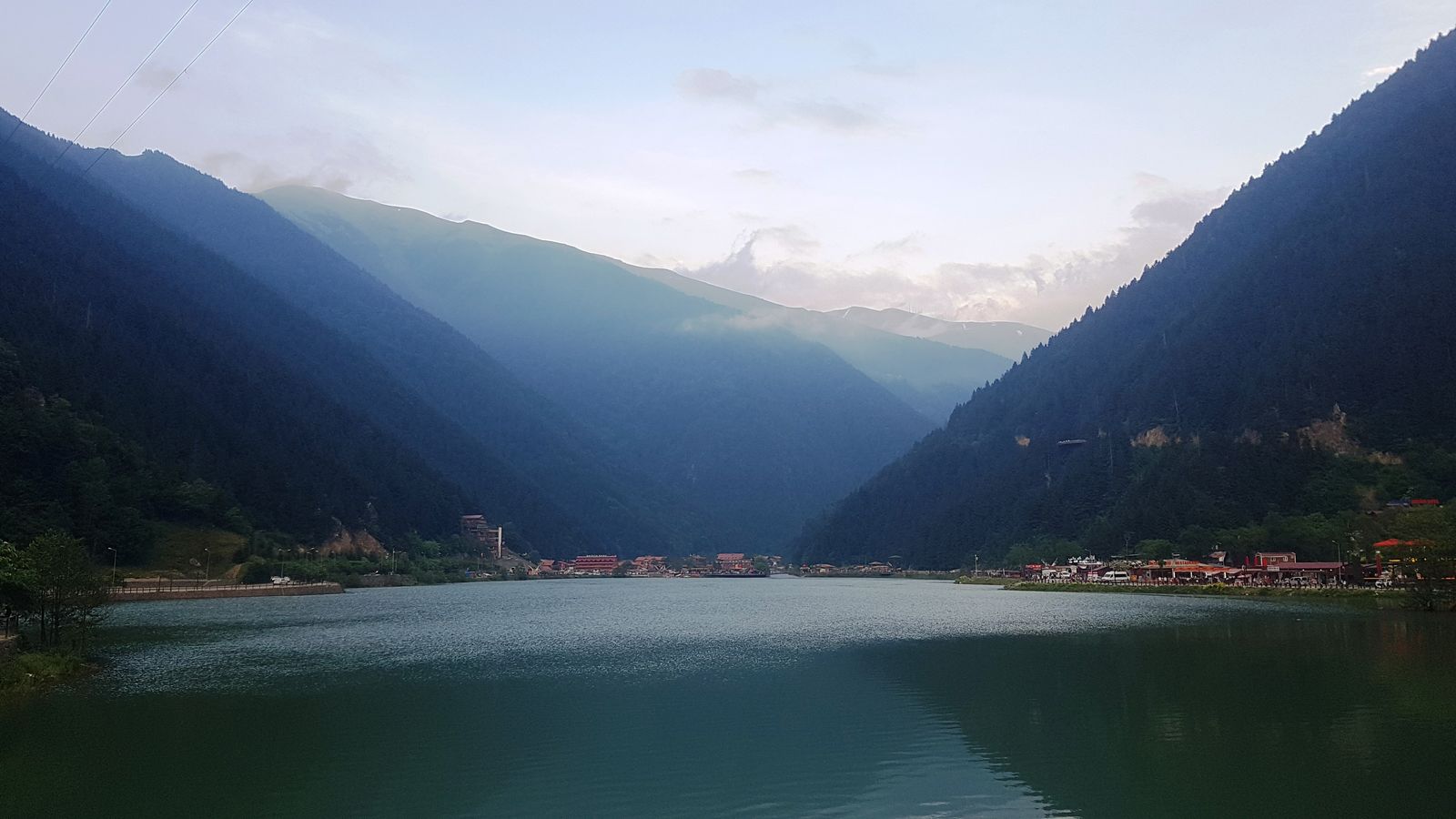
Uzungöl
Black SeaTrabzon40.6206, 40.2989
Photo: Thorodin33 · CC BY-SA 4.0 · source
Inland from Trabzon, a lake formed when a landslide dammed a valley: still water ringed by steep spruce forest, with morning mist sitting on the surface.
Why go
Uzungöl exists by accident. In the narrow valley of the Haldizen stream, a large landslide came off the slope and blocked the water, and a lake roughly a kilometre long collected behind it. What is left is a sheet of still water at 1,100 m, closed on three sides by ridges approaching 3,000 m and on the fourth by steep spruce forest.
The image that defines the place is the mist that sits on the lake at first light. As the sun works its way down the slopes the water shifts from grey-green to deep blue, and the minaret of the lakeside mosque stands as the only vertical line against the forest. It is among the most photographed views in the country, and not without reason.
Around the lake
The lake is small enough to walk round in about an hour, and a boardwalk runs along much of the shore. Most local restaurants are built around trout; in Black Sea cooking, trout, cornbread and kuymak — a molten cheese and cornmeal dish — are the standard trio, and this is a good place to meet all three.
What actually makes Uzungöl worth a night is not the lake but what lies above it. Roads climbing out of the valley reach the yayla settlements of Demirkapı, Şekersu and Haldizen, at the western end of the Kaçkar range. They are far quieter and completely detached from the crowds below. If you have a suitable vehicle, half a day up there is the better half of the trip.
About the crowds
Honesty is due here: Uzungöl has been built up heavily over the past twenty years. Rows of hotels and restaurants along the shore have changed the view considerably, and in July and August — driven partly by heavy tourism from the Gulf states — it gets genuinely busy.
That is not a reason to skip it, but it should decide when you go. Between 07:00 and 09:00 the lake is close to empty and the mist is on the water. June and September are both calmer and cheaper. In autumn the slopes turn colour and the coaches thin out.
What to know before you go
The region gets rain in every month, so waterproofs are a year-round item. In winter the lake and its surroundings are under snow; access becomes harder but does not close.
The roads up to the pastures are unsurfaced and visibility drops sharply in fog. Mist usually rises through the afternoon, so plan the climb for the morning. For visitor information and any restrictions, see tabiat.gov.tr.
Sources and last reviewed
- Tabiat — protected areas and visitor information — Republic of Türkiye Ministry of Agriculture and Forestry
- Trabzon Provincial Directorate of Culture and Tourism — Republic of Türkiye Ministry of Culture and Tourism
Last reviewed:
Fees, hours and seasonal rules can change; confirm with the official source before visiting.
- Best time
- June and September; July and August are very crowded. Early morning is the quiet hour.
- How to get there
- 99 km from Trabzon, turning inland at Of. Minibuses and tour coaches run regularly.
- Coordinates
- 40.6206, 40.2989
- Nearby
- Çaykara · Demirkapı yayla · Şekersu · Of
Places in this region
Amasra
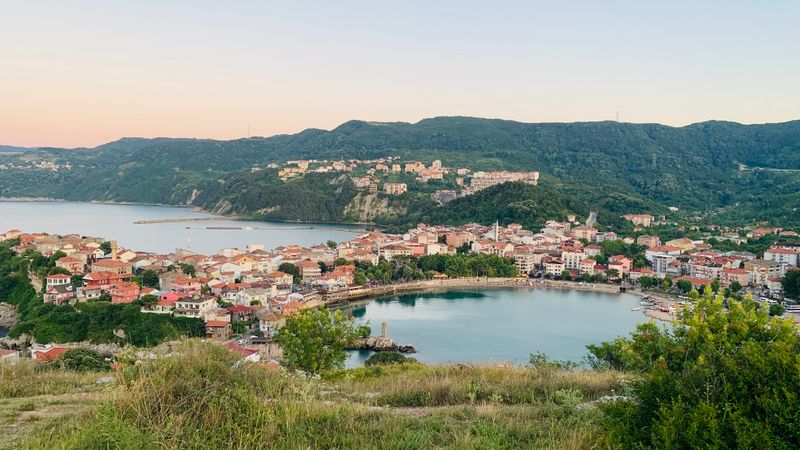
In Bartın, a walled historic Black Sea harbour town set on a peninsula that divides two coves.
Ayder Highland
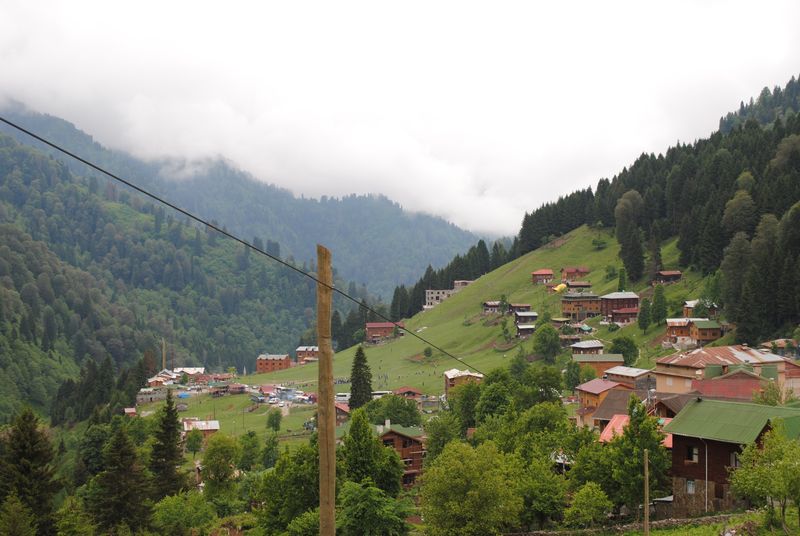
In Rize, at the foot of the Kaçkars, a Black Sea highland known for misty forests, waterfalls and a hot spring.
The Kaçkar Mountains
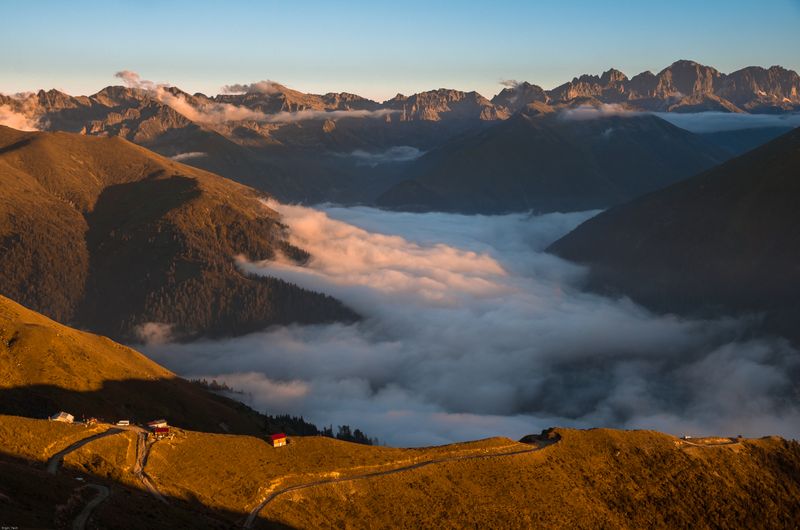
Behind the eastern Black Sea coast, a glaciated range approaching 3,900 m: timber highland settlements, glacial lakes, and the shortest and greenest mountain season in Türkiye.