 TürkiyeCennet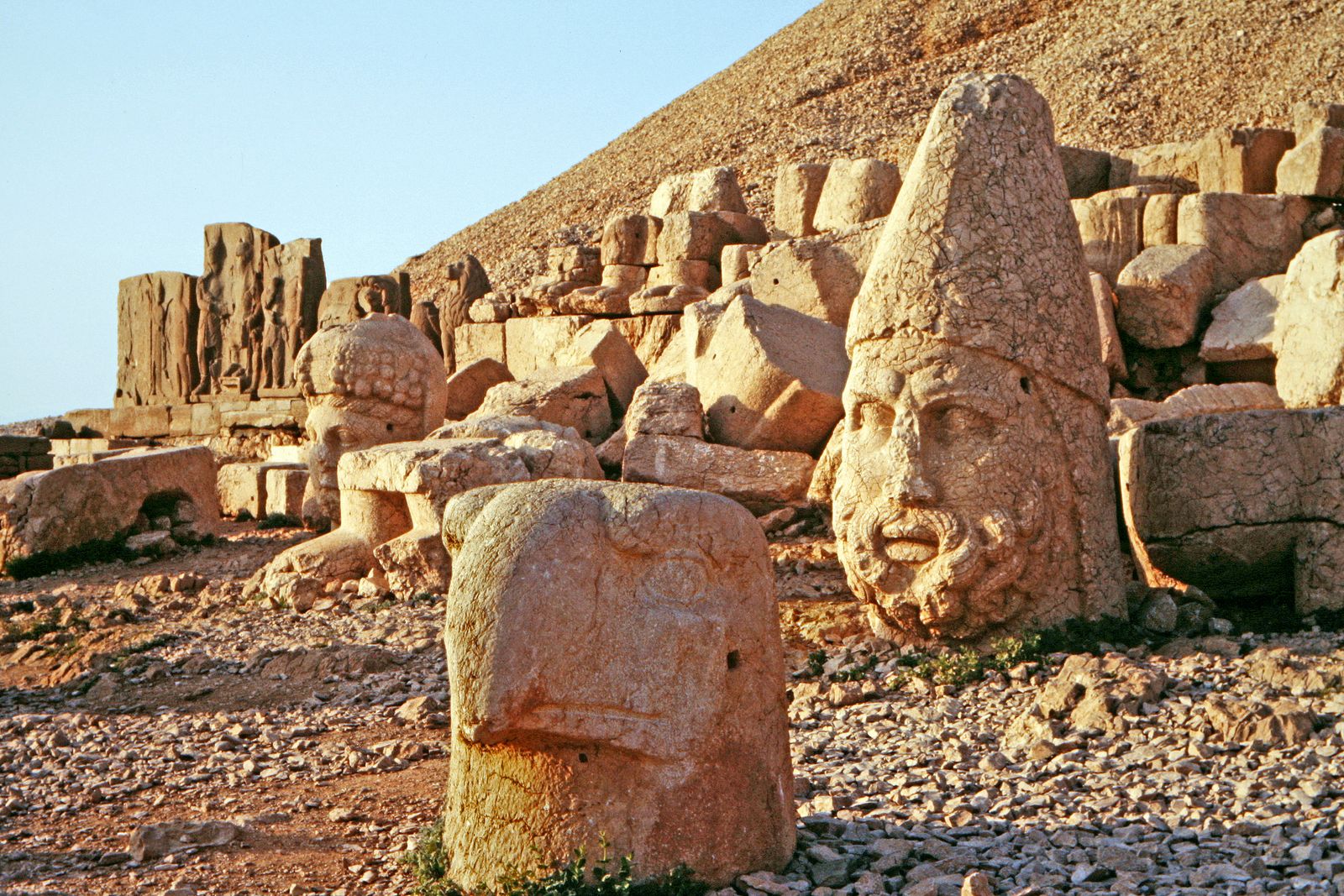
Mount Nemrut
Southeastern AnatoliaAdıyaman37.9808, 38.7411
Photo: W. Bulach · CC BY-SA 4.0 · source
In Adıyaman, a summit known for the giant stone statues and burial mound of the Commagene king Antiochos I — a UNESCO site.
Why go
Mount Nemrut, on a summit of about 2,150 metres, is known for its giant stone statues and a monumental burial mound. Dedicated by the Commagene king Antiochos I to the gods and his ancestors, the site is one of the most ambitious works of the Hellenistic period. The changing light at sunrise and sunset makes the scene of the stone heads unforgettable. The site was inscribed on the UNESCO World Heritage List in 1987.
Historical context
The Kingdom of Commagene arose in a region where Anatolia met the Persian and Macedonian worlds. Antiochos I created a god-king cult that tied his line to both Persian and Macedonian origins. On the terrace at the summit stand statues of gods and the king; over time the heads became separated from the bodies and today rest on the terraces themselves.
What you will see
From the car park and visitor point, a short but steep walk leads to the summit. On the east and west terraces you see giant seated statues, lion and eagle figures and carved stelae. The two terraces offer different directions for watching sunrise and sunset. The tumulus is a vast cone of broken stones.
How to get there
The summit is reached by a mountain road via the district of Kahta. The nearest airports are Adıyaman and Malatya, and most visitors arrive by car from there. The final stretch to the summit is walked; the path can be stony and windy, so sturdy shoes are needed.
When to visit
May to October is the best period; in winter the summit is covered in snow and the road can close. Sunrise and sunset are the most popular hours, but the air is cold and windy then; even in summer it is worth bringing a warm layer.
Responsible visiting
The statues and stelae are fragile and carry great historical value. It matters not to climb on the stones, not to touch the heads and to stay on the marked route. The summit is a protected area, so carrying litter back out and leaving no trace are important. It is good to check current visiting conditions from an official source.
Nearby
Arsameia from the Commagene period, the Roman-built Cendere Bridge and the Karakuş Tumulus are close stops added to the same route as Nemrut. Kahta is the region’s hub for transport and accommodation.
Sources and last reviewed
- Nemrut Dağı — Republic of Türkiye Ministry of Culture and Tourism — Culture Portal
- Nemrut Dağ — UNESCO World Heritage Centre
Last reviewed:
Fees, hours and seasonal rules can change; confirm with the official source before visiting.
- Best time
- May–October; early/late hours for sunrise and sunset.
- How to get there
- By mountain road from Kahta; nearest airports Adıyaman and Malatya.
- Coordinates
- 37.9808, 38.7411
- Nearby
- Kahta · Arsameia · Cendere Bridge · Karakuş Tumulus
Places in this region
Göbekli Tepe
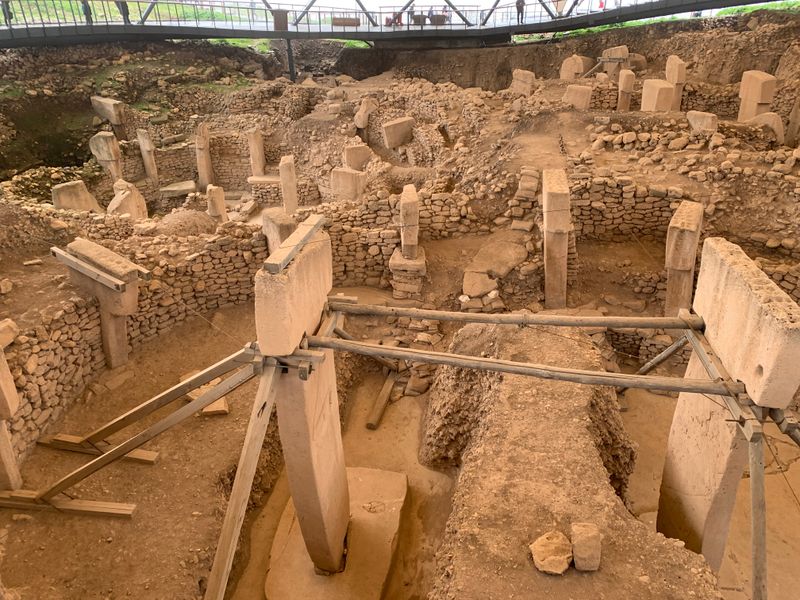
One of humanity's oldest known monumental temple structures; giant T-shaped pillars.
Mardin
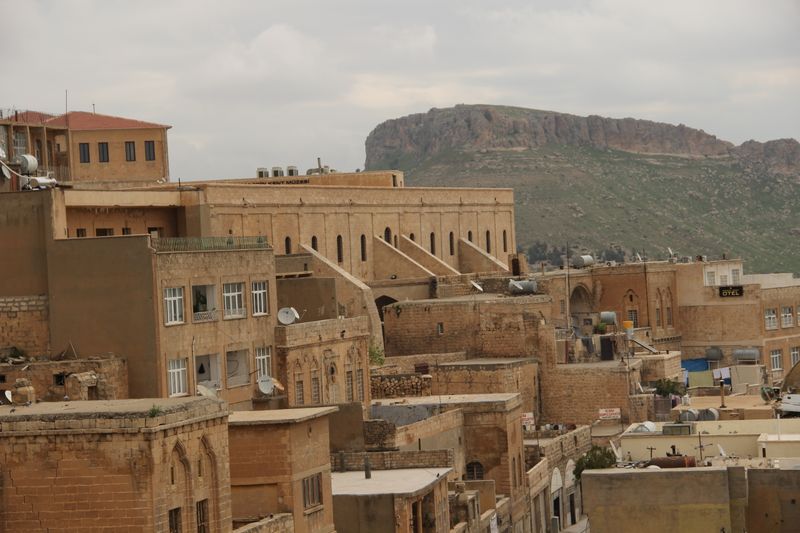
Set on a hillside above the Mesopotamian plain, an old city of honey-coloured stone houses and narrow lanes with a layered history.