 TürkiyeCennet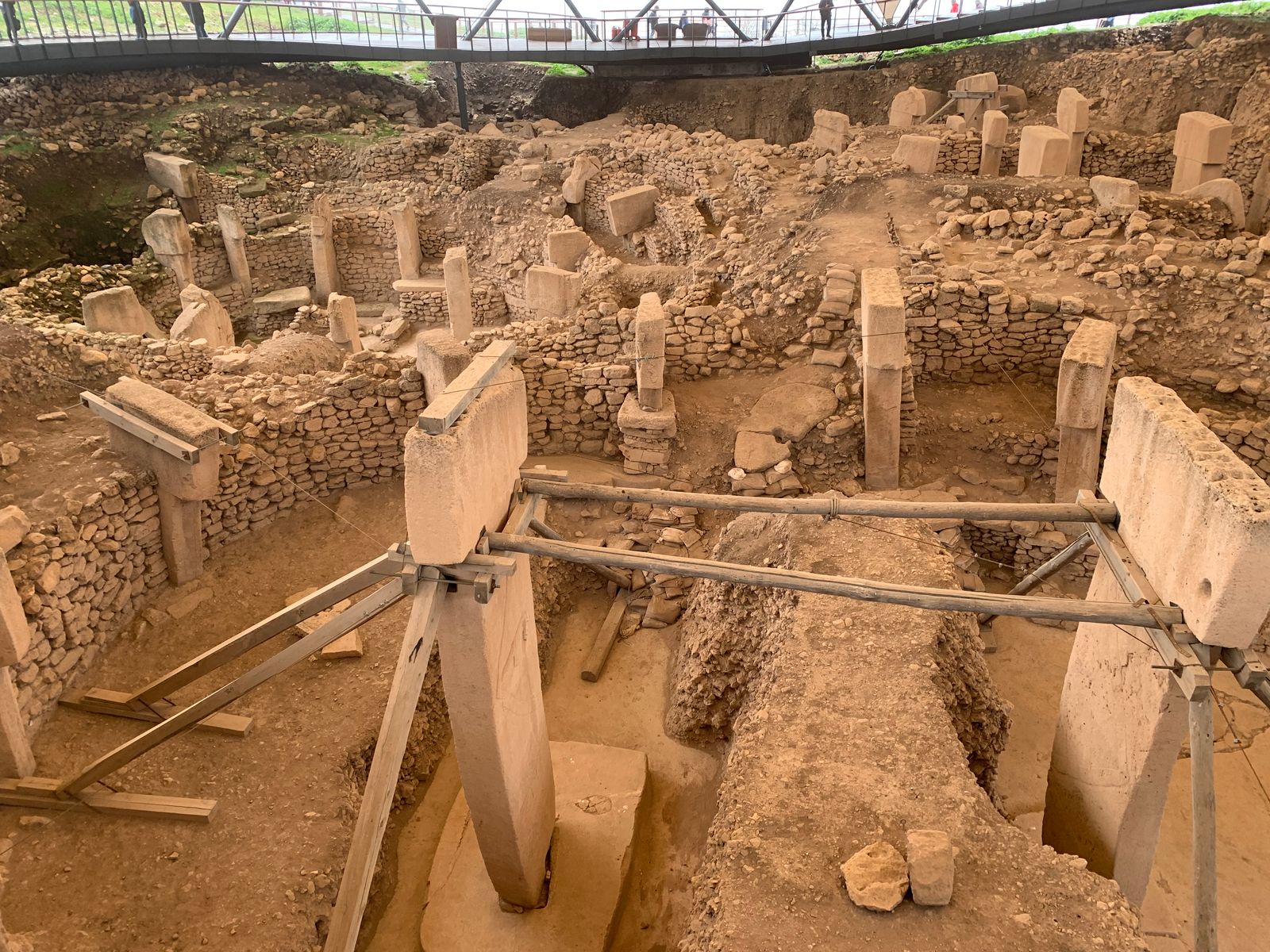
Göbekli Tepe
Southeastern AnatoliaŞanlıurfa37.2233, 38.9224
Photo: Beytullah eles · CC BY-SA 4.0 · source
One of humanity's oldest known monumental temple structures; giant T-shaped pillars.
Why it is worth visiting
Göbekli Tepe is a place that changed the way we look at human history. Monumental structures built around twelve thousand years ago, before farming and settled life had spread, made scholars rethink the question of whether the temple or the city came first. This mound near Şanlıurfa was added to the UNESCO World Heritage List in 2018.
Historical context
The site was noticed during a surface survey in 1963, but its true significance was recognised in 1994 by the German archaeologist Klaus Schmidt, with excavations beginning the following year. The structures that emerged date to the Neolithic period — a time when people were still hunter-gatherers. That makes Göbekli Tepe one of the oldest known examples of monumental architecture.
What there is to see
At the heart of the site are large T-shaped stone pillars arranged in circles. Some of the pillars carry reliefs of animals such as foxes, snakes, wild boar and birds; these figures offer clues to the belief and symbolic world of the period. Visitors view the site from walkways beneath a shelter that protects the structures.
Experience and route
Touring Göbekli Tepe does not take long, but the meaning of the site comes from its age rather than its scale, so a slow and careful visit is more rewarding. The visitor centre and walkways show the remains along a set route. Adding the Şanlıurfa Archaeology Museum to the same day makes it easier to understand the context of the finds here.
When to go
Summers in the southeast are very hot; spring and autumn are both cooler and more comfortable. Shade is limited, so water and a hat help. As this is an active excavation site, the visiting arrangement and entry conditions can change; it is worth getting current information from the official source.
Conservation and responsible visiting
Göbekli Tepe is one of the world’s most sensitive archaeological sites, and for that reason visiting is tightly regulated. The pillars and excavation areas are viewed only from set walkways beneath a protective shelter; going down into the site or touching the stones is not possible. This arrangement exists to protect structures twelve thousand years old. Because excavations continue, the visiting route and entry conditions can change; it is worth checking the official source before a visit.
Nearby
The city of Şanlıurfa, with its archaeology museum and historic bazaar, is the nearest base. Newer excavation sites in the same region, such as Karahantepe, are part of the Neolithic settlements known together as the “Stone Hills” (Taş Tepeler) alongside Göbekli Tepe.
Sources and last reviewed
- Göbeklitepe added to the UNESCO World Heritage List — Şanlıurfa Governorship
- Göbekli Tepe — UNESCO World Heritage Centre
Last reviewed:
Fees, hours and seasonal rules can change; confirm with the official source before visiting.
- Best time
- Spring and autumn; summer is very hot.
- How to get there
- By car from central Şanlıurfa; nearest airport is Şanlıurfa GAP.
- Coordinates
- 37.2233, 38.9224
- Nearby
- Şanlıurfa · Karahantepe · Şanlıurfa Archaeology Museum
Places in this region
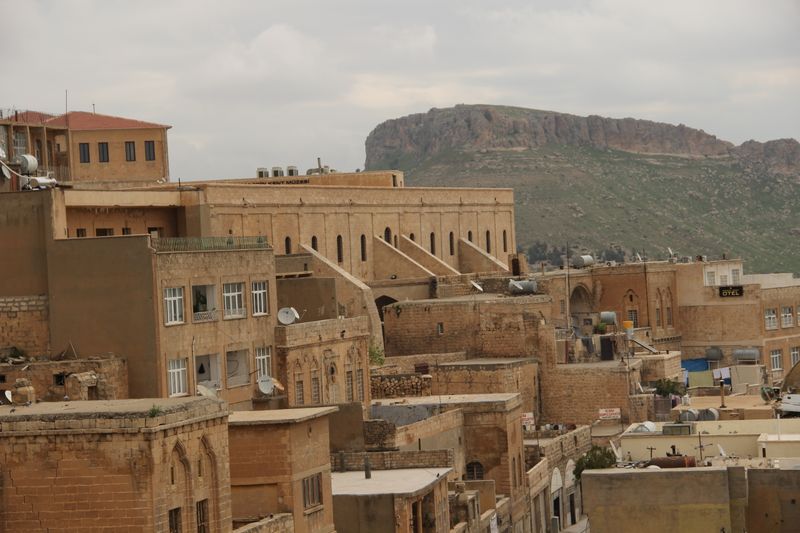
Mardin
Set on a hillside above the Mesopotamian plain, an old city of honey-coloured stone houses and narrow lanes with a layered history.
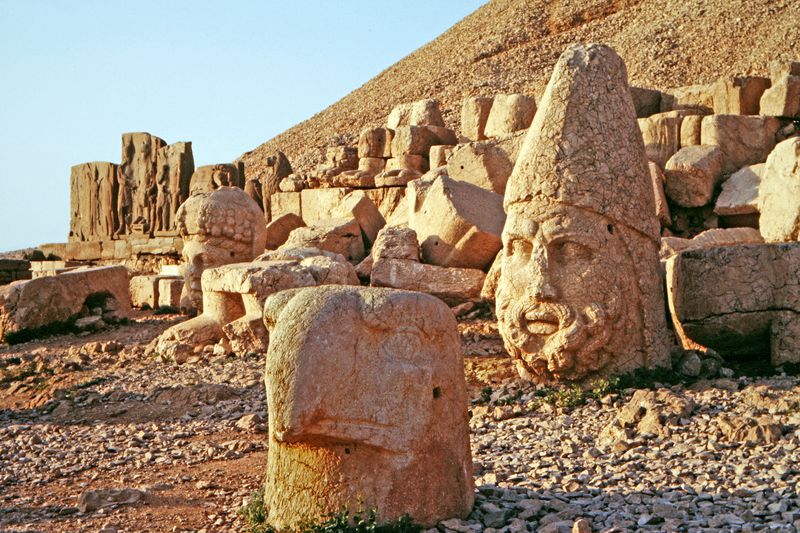
Mount Nemrut
In Adıyaman, a summit known for the giant stone statues and burial mound of the Commagene king Antiochos I — a UNESCO site.