 TürkiyeCennet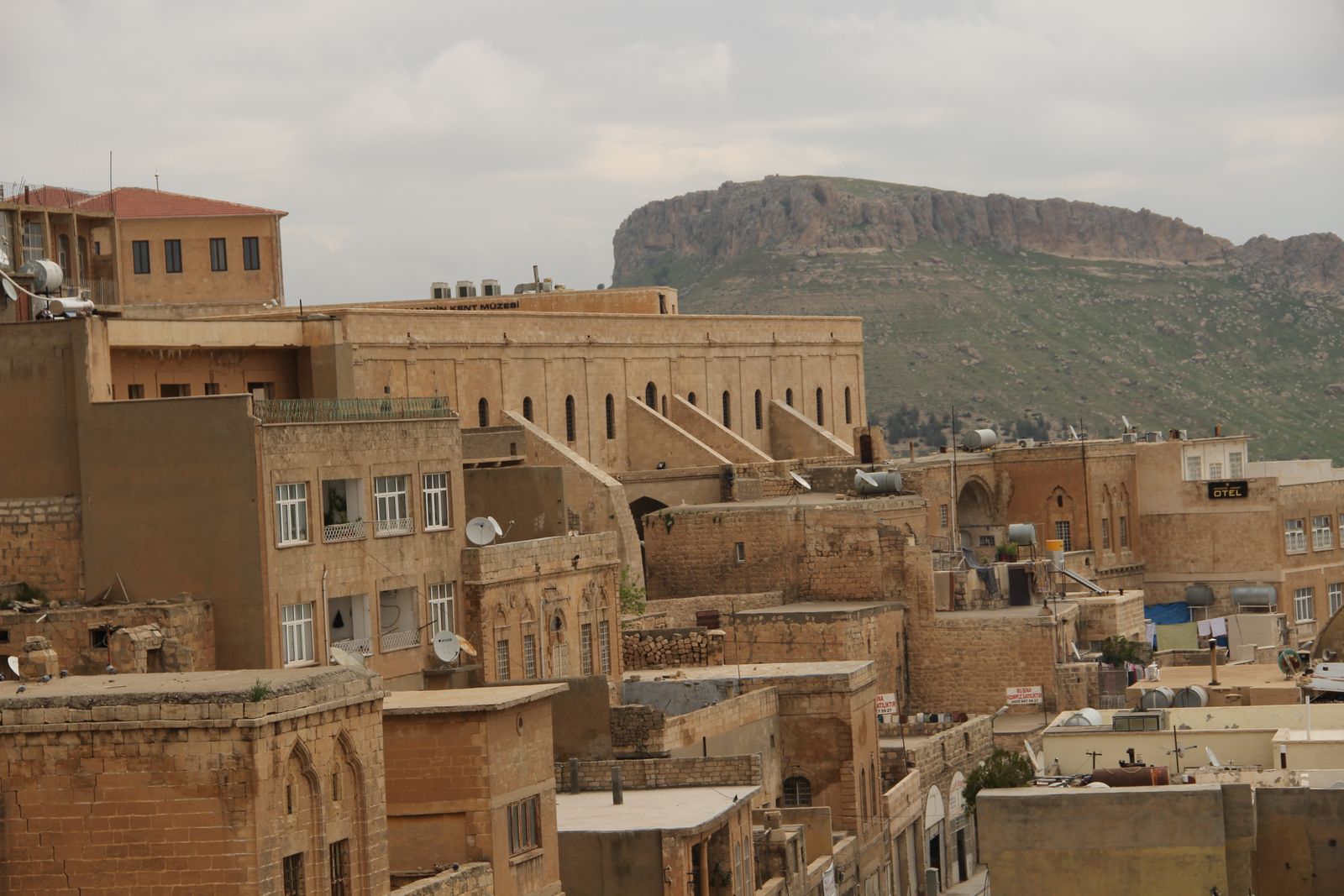
Set on a hillside above the Mesopotamian plain, an old city of honey-coloured stone houses and narrow lanes with a layered history.
Why go
Mardin is an old city built in steps on a hillside looking over the Mesopotamian plain. With its houses of honey-coloured limestone, its carved façades and its narrow lanes that pass over one another, it is a place explored like an open-air museum. A city where different languages, faiths and cuisines long lived side by side, it reflects the region’s many-layered culture.
Historical context
With its position on the Silk Road, Mardin was for centuries a centre where trade and different communities met. The city’s fabric is interwoven with mosques, churches, madrasas and monasteries. The local “Mardin stone” that forms the basis of the architecture, being easy to carve, allowed rich stone decoration around doors and windows. The old city was declared an urban conservation site in 1979.
What you will see
Along the main street run the bazaar, historic inns and stone-faced houses. From the terraces on the slope you take in the view of the plain. The Great Mosque, the madrasas and the viewpoints over the city are among the clear stops of a visit. Because the streets are narrow and steep, the city is mostly explored on foot.
How to get there
Mardin airport is close to the city centre and has regular flights; the city is also reached by the bus network. The old city, with its narrow, stepped streets, is on a scale to be explored on foot, and it is often more comfortable to leave a car at a point outside the centre.
When to visit
Spring and autumn are the best seasons; April and May in particular are mild. The summer months can be very hot, so it is good to keep sightseeing to the morning and evening hours. Water, a hat and comfortable shoes are important in summer.
Responsible visiting
The old city is a living settlement; in the narrow lanes and around the registered buildings it matters to respect local life and to keep noise and litter down. It is important not to damage the historic façades and not to enter private property without permission. In busy periods the morning hours are both quieter and cooler.
Nearby
The Deyrulzafaran Monastery to the east of the city, with its position over the plain, is reached by a short drive. Midyat, known for its stonework, and the ancient settlement of Dara are close stops that can be seen in the same region.
Sources and last reviewed
- Mardin Taş Evleri ve Sokakları — Republic of Türkiye Ministry of Culture and Tourism — Mardin Directorate
- Mardin Müzesi — Republic of Türkiye Ministry of Culture and Tourism — Culture Portal
Last reviewed:
Fees, hours and seasonal rules can change; confirm with the official source before visiting.
- Best time
- Spring and autumn; summer is very hot.
- How to get there
- Mardin airport is nearby; the city centre is explored on foot.
- Coordinates
- 37.3126, 40.7351
- Nearby
- Deyrulzafaran Monastery · Midyat · Dara · Mardin Museum
Places in this region
Göbekli Tepe
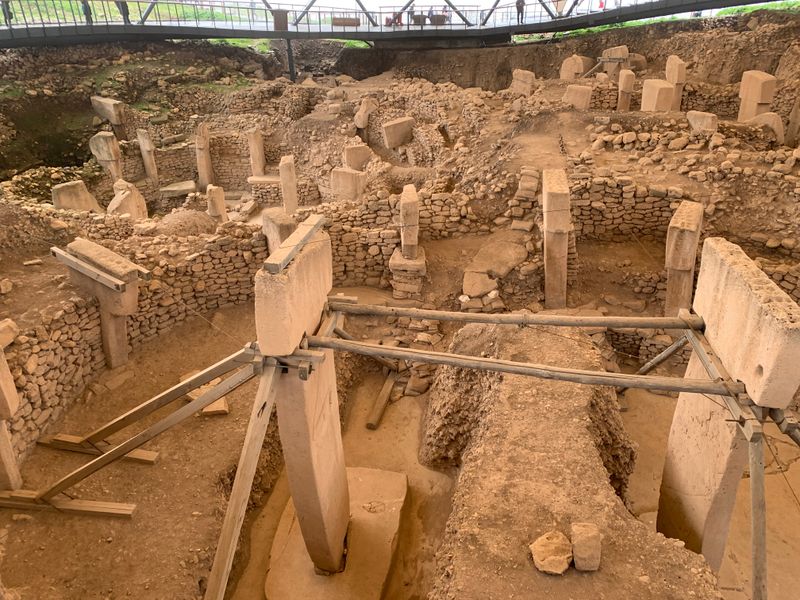
One of humanity's oldest known monumental temple structures; giant T-shaped pillars.
Mount Nemrut
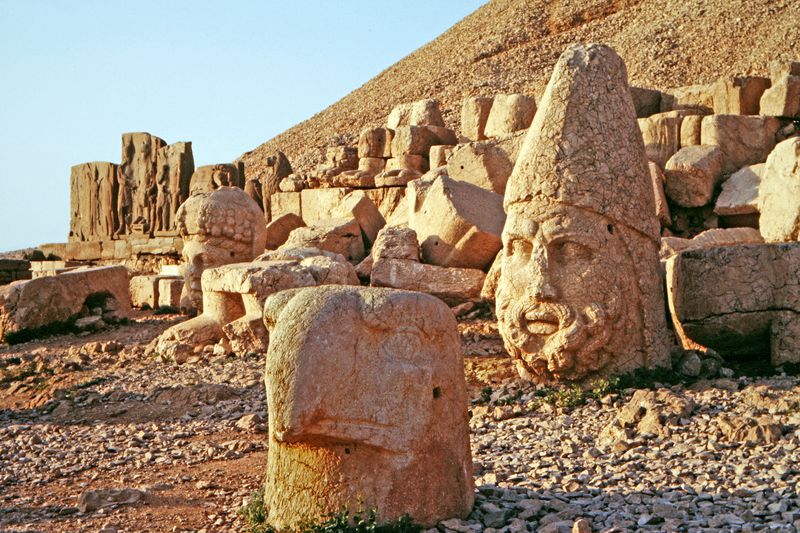
In Adıyaman, a summit known for the giant stone statues and burial mound of the Commagene king Antiochos I — a UNESCO site.