 TürkiyeCennet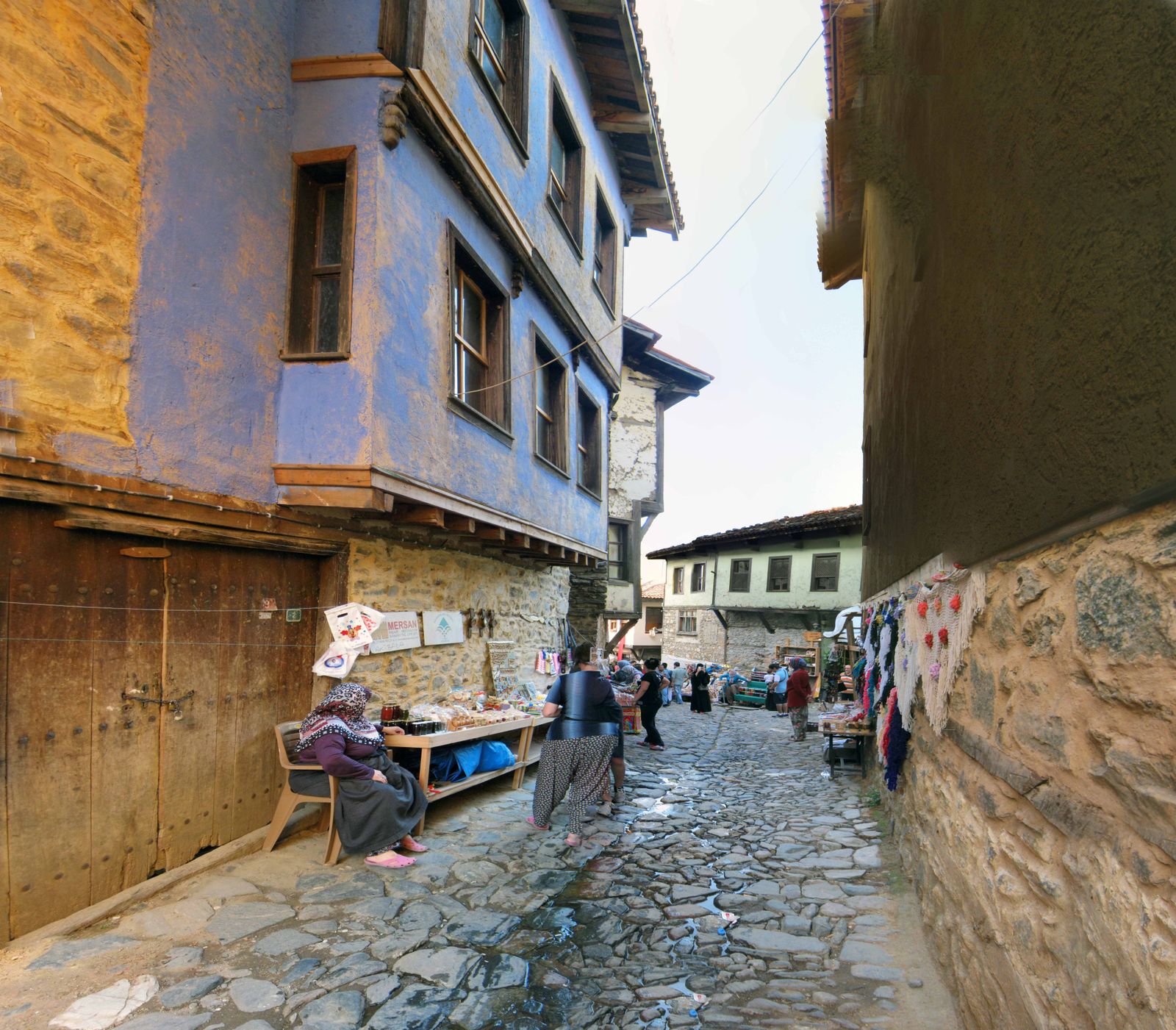
On the lower slopes of Uludağ, an Ottoman village lived in continuously for 700 years: cobbled lanes and painted timber houses standing since the empire's founding decades.
Why go
Türkiye has plenty of restored historic villages. What separates Cumalıkızık is not that it was restored but that it was never abandoned. The village was founded in the early 14th century as one of the endowment villages settled around Bursa during the first decades of the Ottoman state, and it has been lived in without interruption ever since. People still live in some of the houses you walk past.
That continuity is what makes the fabric so unusually coherent. Around 270 historic houses stand: narrow cobbled lanes on a slope, timber frames infilled with mud brick, upper storeys projecting out over the street, and facades painted in ochre, blue and green. Turn a corner and the view was broadly the same seven hundred years ago.
What to see
The village itself is the sight; rather than hunting for a particular monument, the right approach is simply to walk the lanes. A few fixed points are worth knowing. The Cumalıkızık Ethnography Museum on the square occupies an old house and lays out the objects of everyday life, while the old hamam and mosque near the entrance date from the founding period.
Along the lanes, village women set up stalls selling dried fruit, homemade jam, candied chestnut, tarhana soup mix, and above all raspberries, for which the area is known and which are sold fresh in season. The village breakfast is Cumalıkızık’s best-known ritual: long tables laid out in walled courtyards, full through most weekend mornings.
Visiting
The village is closed to vehicles; you leave the car at the entrance and walk in. The lanes are cobbled and steep, so comfortable shoes make a difference.
At weekends, especially in spring and autumn, it fills with day visitors from Bursa and Istanbul. Going midweek turns it into an entirely different place — quiet enough to hear the stream running beside the lanes. October, with chestnuts and raspberries in season and the slopes changing colour, is the best single month.
Worth knowing
Cumalıkızık was inscribed on the UNESCO World Heritage List in 2014 together with Bursa, under the title “Bursa and Cumalıkızık: the Birth of the Ottoman Empire”. The village is protected not on its own but as one part of a single story, alongside the mosque complexes, commercial khans and tombs in the city.
That argues against treating it as a separate excursion. Combine the Grand Mosque, the Green Complex, Koza Han and Cumalıkızık in one day and the question of where and how an empire actually began stops being abstract.
Sources and last reviewed
- Bursa and Cumalıkızık: the Birth of the Ottoman Empire — UNESCO World Heritage Centre
- Bursa Provincial Directorate of Culture and Tourism — Republic of Türkiye Ministry of Culture and Tourism
Last reviewed:
Fees, hours and seasonal rules can change; confirm with the official source before visiting.
- Best time
- Spring and autumn; October brings the raspberry and chestnut season and the slopes turn colour.
- How to get there
- 12 km from central Bursa, reachable by city bus or minibus. The village itself is closed to cars.
- Coordinates
- 40.1836, 29.1697
- Nearby
- Bursa · Uludağ · Green Tomb · Grand Mosque
Places nearby
Within about 50 km of here:
- Uludağ11 km
Places in this region
Bozcaada
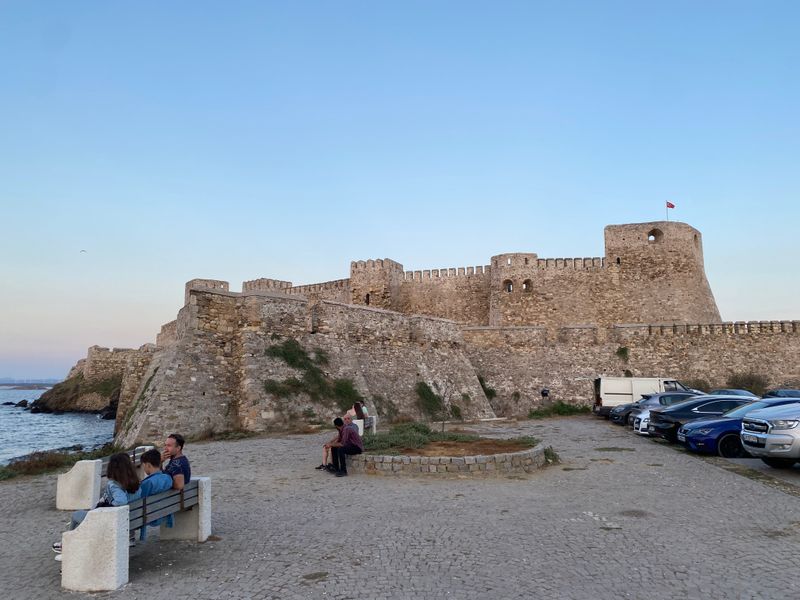
A small island off Çanakkale that runs on wind and vineyards: a Venetian-era fortress, one stone-built town, and long beaches along the southern shore.
Gökçeada
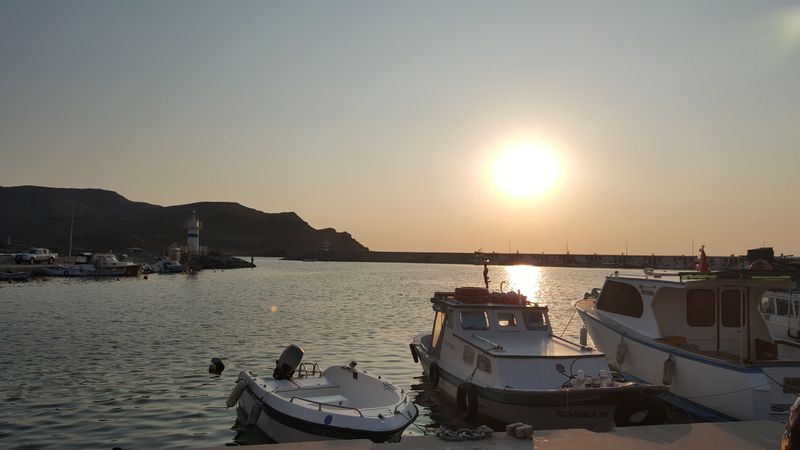
Off Çanakkale, Türkiye's largest island — a Cittaslow known for quiet coves, windsurfing and stone villages.
İznik
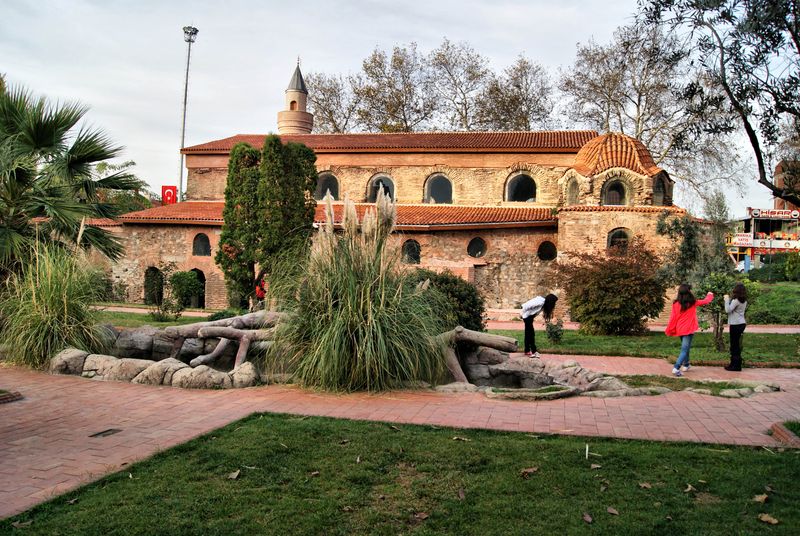
Ancient Nicaea on a lakeshore, ringed by walls and known for its tiles and the First Council.