 TürkiyeCennet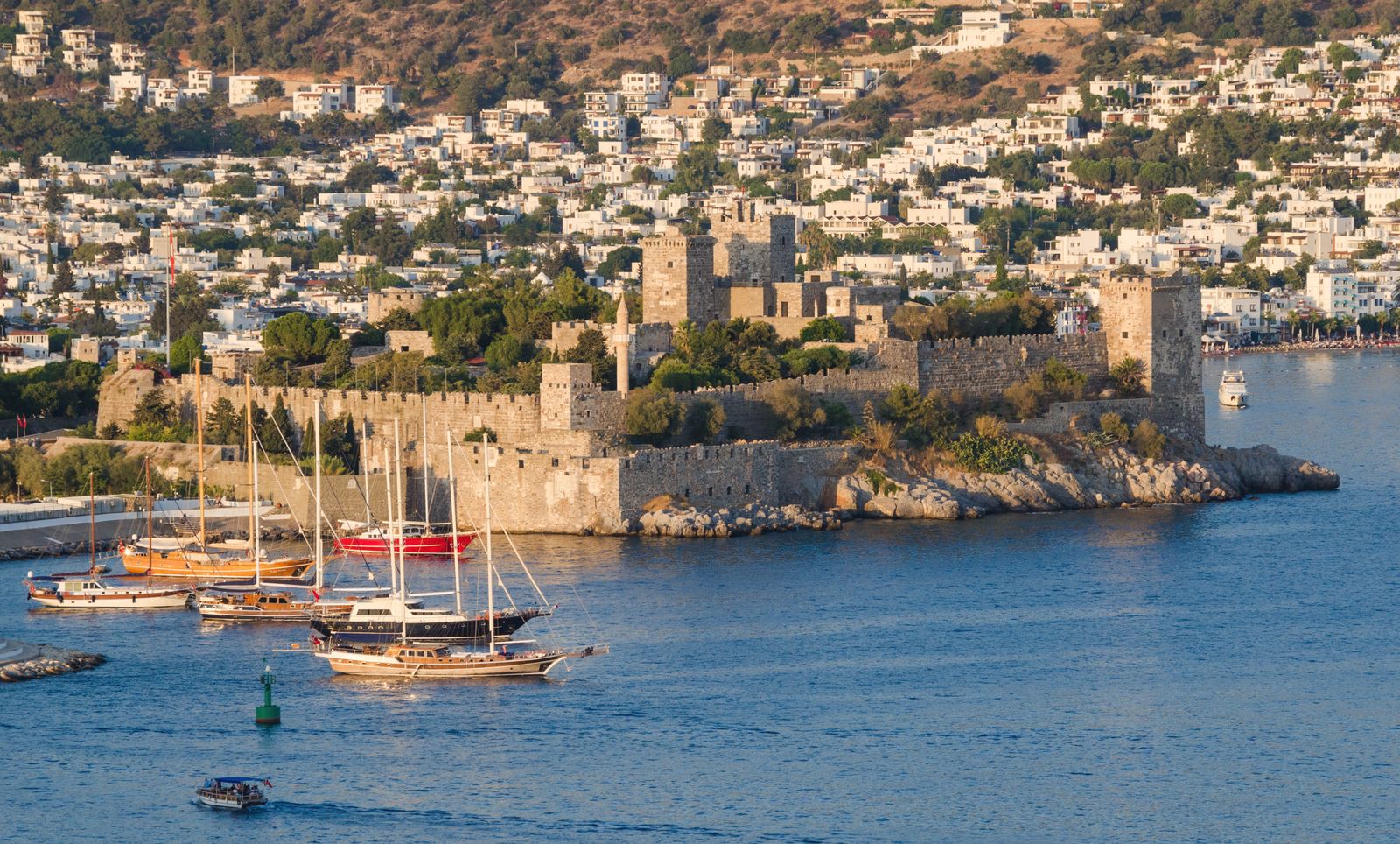
A whitewashed harbour town built over ancient Halicarnassus: the site of one of the seven wonders of the ancient world, and a crusader castle housing a museum of underwater archaeology.
Why go
Bodrum has two identities and both are genuine. Through the summer it is the liveliest stretch of coast in the country — marinas, nightlife, and dozens of coves scattered around the peninsula. Out of season it reverts to a quiet Aegean town of whitewashed walls and bougainvillea, and in that state it looks much closer to what it used to be.
Underneath the town lies Halicarnassus. The historian Herodotus was born here. And here, in the 4th century BC, a tomb was raised for Mausolus, satrap of Caria, so extravagant that it was counted among the seven wonders of the ancient world and gave every European language a common noun: mausoleum. Earthquakes brought it down and its stone was carried off to build the castle. What survives is the foundation and a scatter of architectural fragments — but standing on the spot is worth the detour.
The castle and the underwater museum
Bodrum Castle, at the mouth of the harbour, was built by the Knights of Rhodes in the 15th century, largely out of the Mausoleum’s stone. It now houses the Bodrum Museum of Underwater Archaeology, which turns the castle from a nice view into an essential stop.
At the centre of the collection is the Uluburun shipwreck: a Bronze Age trading vessel from the 14th century BC, found off the coast near Kaş. Copper ingots, ivory, raw glass, Egyptian seals — the cargo of a single ship, laid out, makes the case for how connected the Bronze Age Mediterranean already was. Few collections anywhere hold underwater material on this scale.
The peninsula
Treating Bodrum as only a town sells it short; the peninsula is the real subject, and each cove has its own character. Gümüşlük sits on ancient Myndos and is known for quiet fish restaurants; Yalıkavak is the marina and luxury end; Bitez and Gümbet suit families and windsurfing; Türkbükü is where the social scene concentrates. Minibuses connect them all cheaply.
At Gümüşlük an ancient road lies just under the surface of the water, shallow enough in places to wade across to the islet opposite — depending on the season and the water level.
Visiting
July and August are both the busiest and the most expensive; hotel and boat prices peak. For swimming, June and September are ideal: the sea is warm and the crowds are manageable. In May and October you can still swim, and the town feels much more like itself.
Bodrum is also one of the classic departure points for a Blue Voyage — gulet charters leave from here for the Gökova gulf and the Datça peninsula.
Sources and last reviewed
- Muğla Provincial Directorate of Culture and Tourism — Republic of Türkiye Ministry of Culture and Tourism
- Museums and archaeological sites — Republic of Türkiye Ministry of Culture and Tourism
Last reviewed:
Fees, hours and seasonal rules can change; confirm with the official source before visiting.
- Best time
- May–June and September–October; July and August are crowded and expensive.
- How to get there
- Bodrum-Milas Airport is 35 km away. Minibuses serve the peninsula; boats link the coves.
- Coordinates
- 37.0322, 27.4292
- Nearby
- Gümüşlük · Yalıkavak · Gümbet · Bitez
Places in this region
Aphrodisias
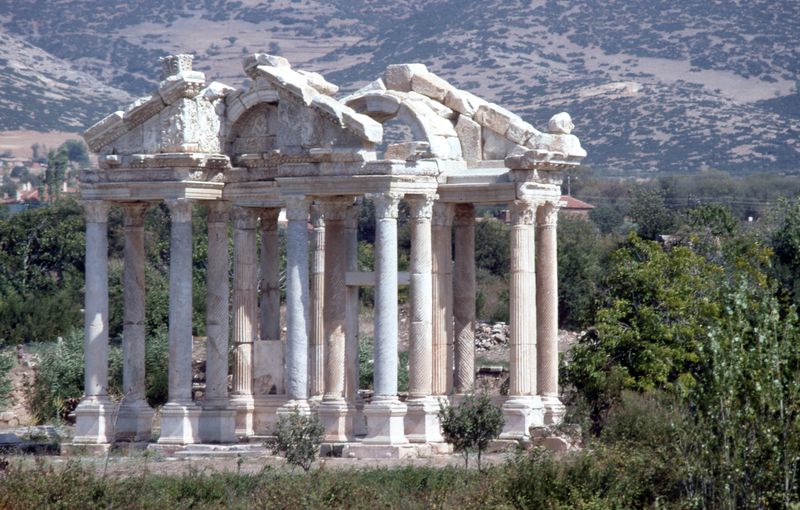
Inland from Aydın, a city of sculptors dedicated to the goddess of love, where a stadium for 30,000 survives almost intact — the best-preserved ancient stadium in Anatolia.
Pergamon (Bergama)
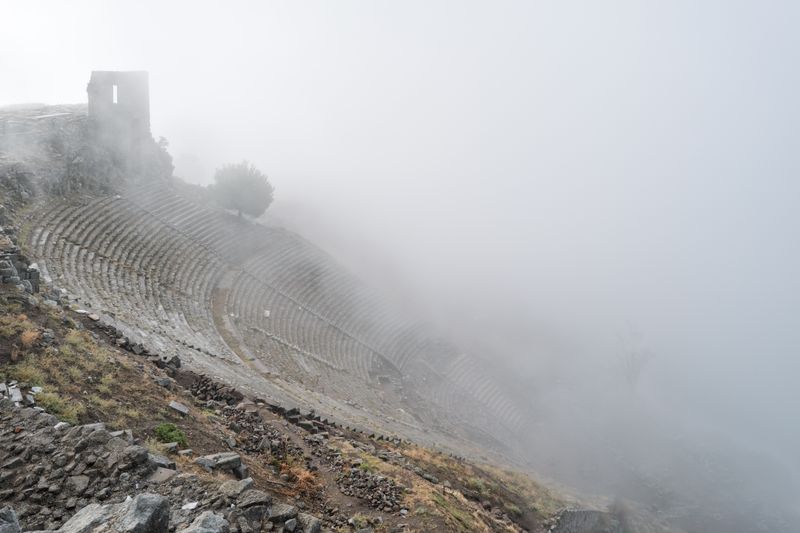
North of İzmir, a Hellenistic capital built along the spine of a steep hill: the steepest ancient theatre known, the library that gave us the word parchment, and an ancient healing centre on the plain below.
Çeşme
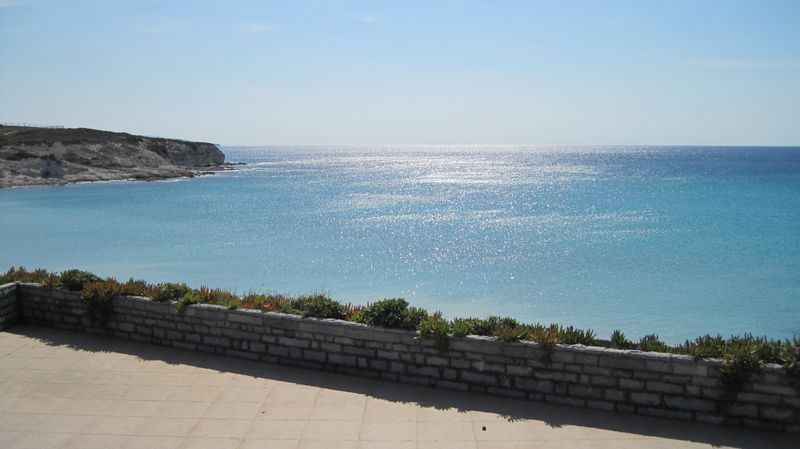
At İzmir's western tip, an Aegean coastal town of clear coves, windsurfing and the stone houses of Alaçatı.