 TürkiyeCennet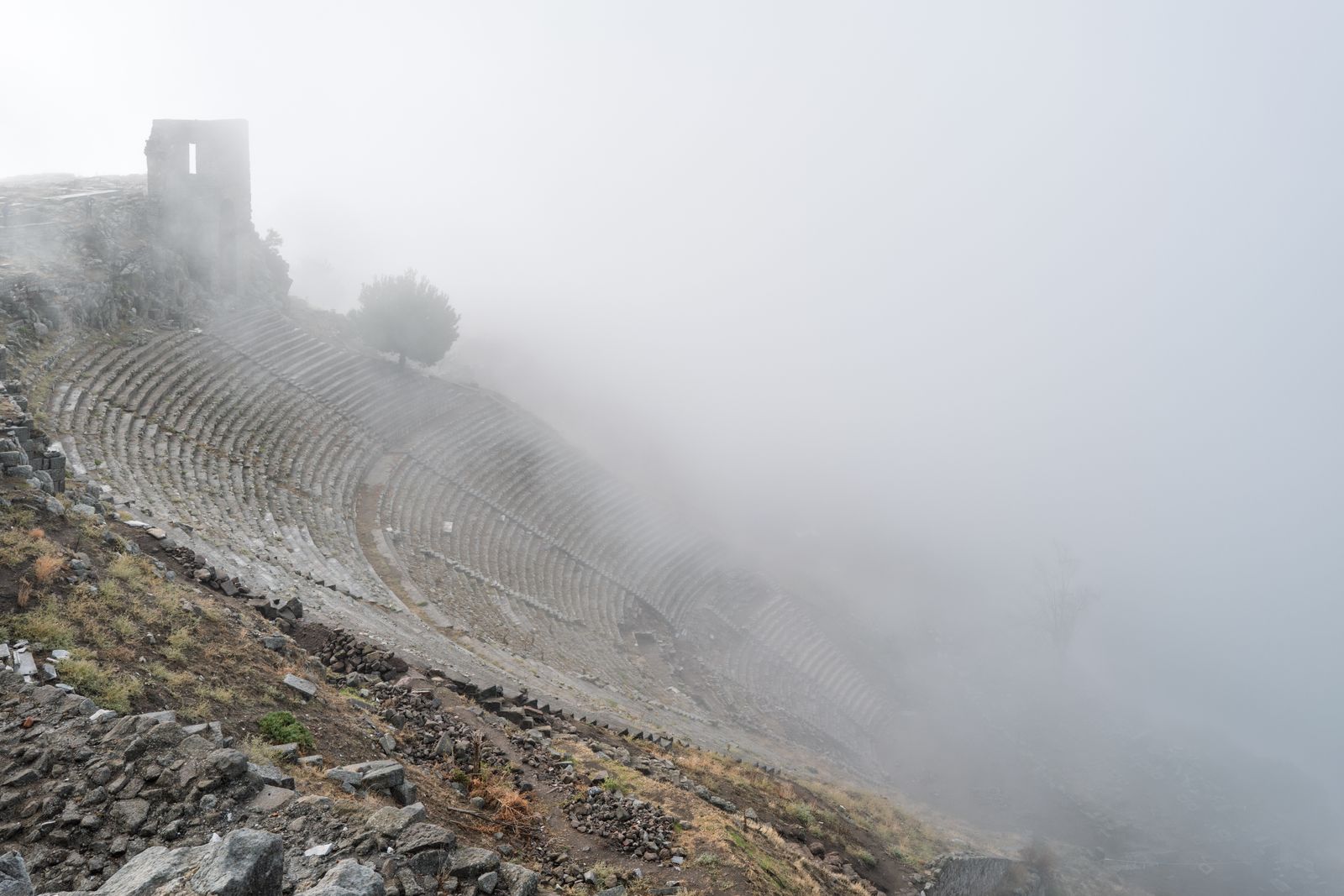
Pergamon (Bergama)
Aegeanİzmir39.1324, 27.1841
Photo: Giorgio Galeotti · CC BY-SA 4.0 · source
North of İzmir, a Hellenistic capital built along the spine of a steep hill: the steepest ancient theatre known, the library that gave us the word parchment, and an ancient healing centre on the plain below.
Why go
Pergamon became the capital of the Attalid dynasty in the 3rd century BC and grew quickly into one of the most powerful cultural centres in the Mediterranean. What makes it unlike any other ancient city in Türkiye is where it was put. Most classical cities spread across a plain. Pergamon was built in terraces up the spine of a hill rising three hundred metres above the Bakırçay valley, so that the whole city stacks vertically and the plain unrolls beneath you as you climb.
The most striking thing on the hill is the theatre. Eighty rows of seating are cut directly into the slope, forming the steepest ancient theatre known anywhere. Looking down from the upper rows takes a certain amount of nerve.
Pergamon was also a city of books. Its library rivalled Alexandria’s, and the story goes that the competition grew so bitter that Egypt cut off the export of papyrus. Pergamon’s answer was to refine a writing surface made from treated animal skin. The English word parchment descends from the city’s own name.
Three separate sites
Pergamon is not one enclosure but three, visited separately.
The acropolis is the city proper: the theatre, the Temple of Trajan, the foundations of the library, and the platform of the celebrated Altar of Zeus. The altar’s carved frieze was removed to Germany in the 19th century and is displayed in Berlin; only the foundation remains in place, which is worth knowing before you climb up expecting it.
The Asklepion, down on the plain, is arguably the more interesting half. It was one of the ancient world’s foremost healing sanctuaries, where patients were treated with water cures, suggestion, music and the interpretation of dreams. The physician Galen trained here. The colonnaded way, the treatment tunnels and a small theatre are all still standing.
The Red Basilica, an enormous red-brick structure in the middle of the modern town, was built for the Egyptian god Serapis and later converted into a church.
Visiting
You can walk up to the acropolis, but it is long and steep; the cable car is far more practical and the descent is a view in itself. All three sites are run by the Ministry, so a Museum Pass covers the set.
A sensible order is the acropolis early, the Asklepion after lunch, and the Red Basilica on the way out. There is no shade at all on the acropolis and the marble throws heat back at you — bring a hat and water. The Bergama Museum in town holds finds from all three sites and completes the story.
Worth knowing
The site was inscribed on the UNESCO World Heritage List in 2014 as “Pergamon and its Multi-Layered Cultural Landscape”. The phrase multi-layered is doing real work: Hellenistic, Roman, Byzantine and Ottoman layers sit on top of one another on the same hill, and the modern town of Bergama continues to live on top of all of them. Walking out of the ruins and into the market streets is part of the visit, not an afterthought.
Sources and last reviewed
- Pergamon and its Multi-Layered Cultural Landscape — UNESCO World Heritage Centre
- Bergama — Republic of Türkiye Ministry of Culture and Tourism — Culture Portal
Last reviewed:
Fees, hours and seasonal rules can change; confirm with the official source before visiting.
- Best time
- April–May and September–October; the acropolis has no shade and summer middays are punishing.
- How to get there
- About 110 km from İzmir. A cable car climbs to the acropolis; the Asklepion and Red Basilica are in the town.
- Coordinates
- 39.1324, 27.1841
- Nearby
- Bergama · Asklepion · Red Basilica · Allianoi
Places in this region
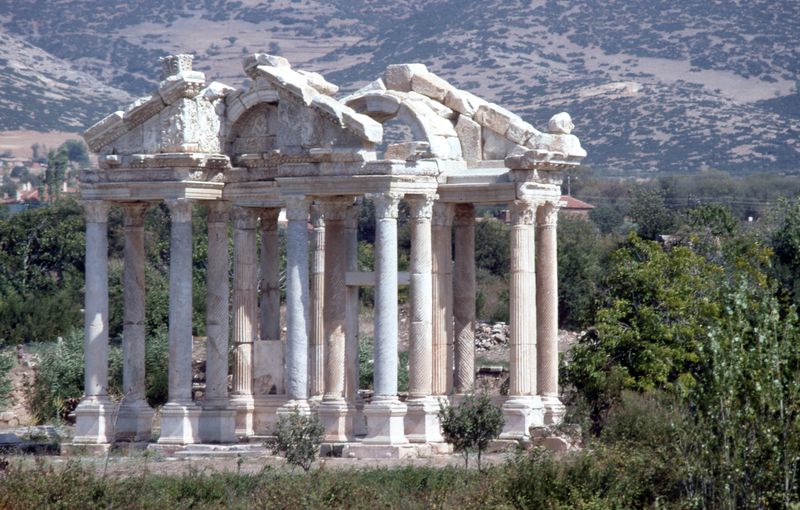
Aphrodisias
Inland from Aydın, a city of sculptors dedicated to the goddess of love, where a stadium for 30,000 survives almost intact — the best-preserved ancient stadium in Anatolia.
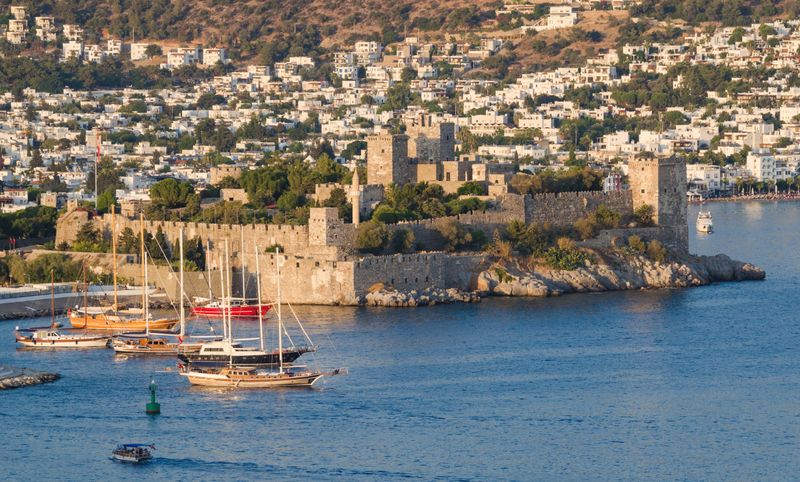
Bodrum
A whitewashed harbour town built over ancient Halicarnassus: the site of one of the seven wonders of the ancient world, and a crusader castle housing a museum of underwater archaeology.
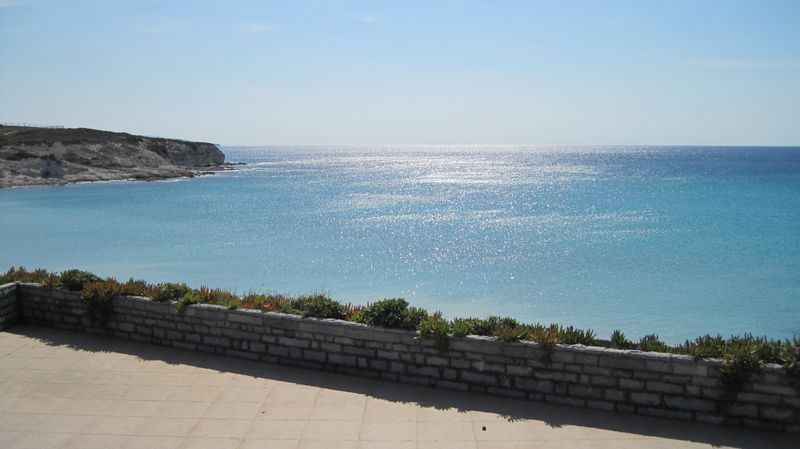
Çeşme
At İzmir's western tip, an Aegean coastal town of clear coves, windsurfing and the stone houses of Alaçatı.