 TürkiyeCennet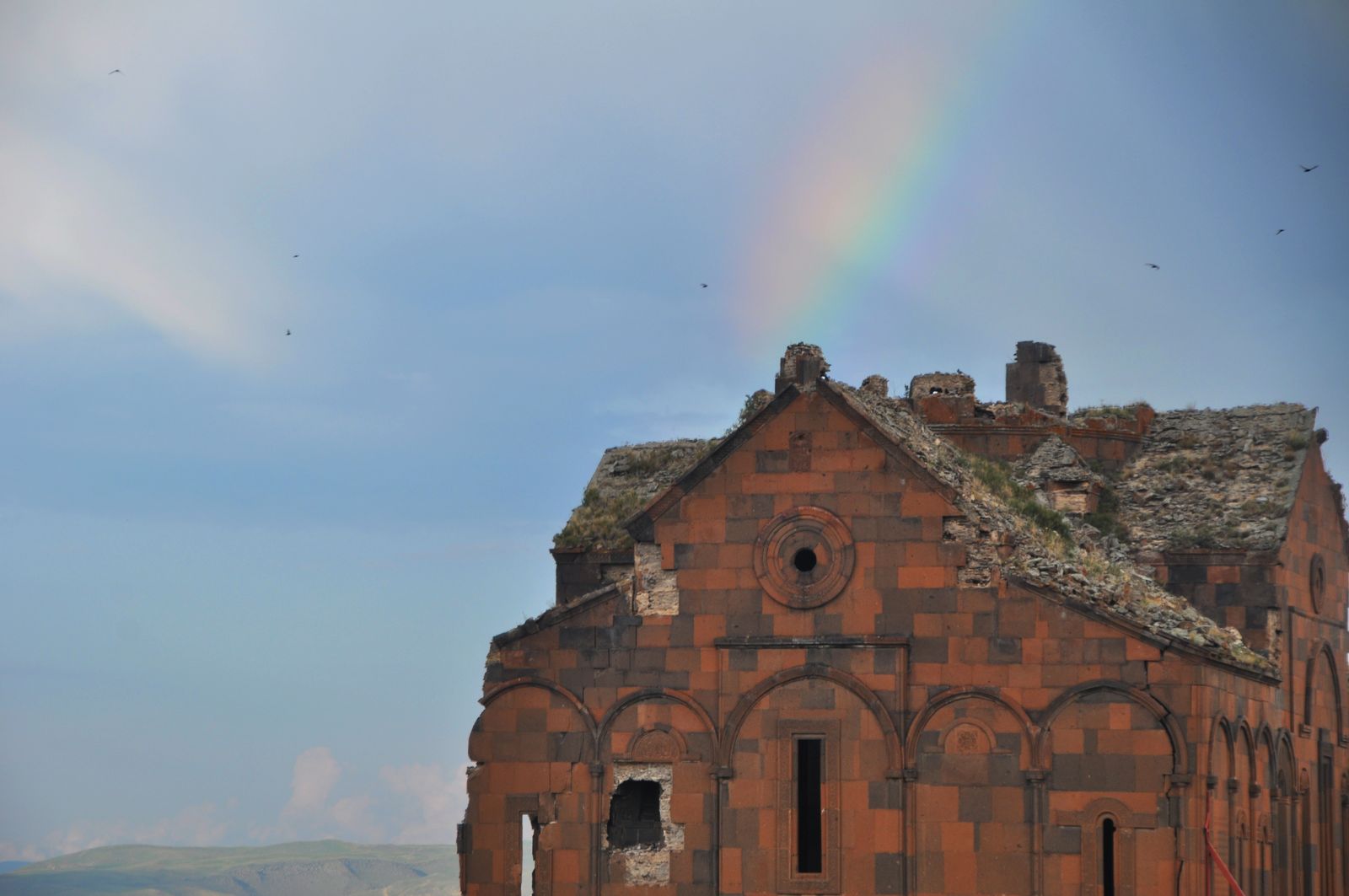
Ani
Eastern AnatoliaKars40.5075, 43.5725
Photo: Panegyrics of Granovetter · CC BY-SA 2.0 · source
A walled, abandoned medieval capital on the Kars border, overlooking the Arpaçay valley.
Why it is worth visiting
Ani was once a capital where tens of thousands lived, its churches and palaces rising on Silk Road trade; today it is a silent archaeological site on a wide plateau, its stone buildings mostly empty. That abandonment is what makes Ani one of Eastern Anatolia’s most striking historical landscapes. The Ani Archaeological Site was added to the UNESCO World Heritage List in 2016.
Historical context
About 42 kilometres from central Kars, Ani stands on volcanic terrain west of the Arpaçay, the river marking the border between Türkiye and Armenia. A trading city on the Silk Road that opened from the Caucasus into Anatolia, Ani lived its most brilliant period between the 10th and 13th centuries. It is known by names such as the “City of a Thousand and One Churches” and the “City of Forty Gates.”
What there is to see
Part of the religious, palace, military and civil architecture left by different civilisations has survived at the site. The cathedral, churches, a mosque, a caravanserai, baths and palace remains, together with the walls surrounding the city, show Ani’s former scale. Some of the buildings stand at the edge of the valley, with the deep gorge carved by the Arpaçay stretching behind them.
Experience and route
Ani is a wide, open area, toured on foot among the buildings. Given the size of the site, comfortable shoes and water help. After entering through the walls, you can follow a route that circles the main structures. The points at the edge of the valley are the best place to see both the ruins and the view along the border.
When to go
Because of Eastern Anatolia’s high, harsh climate, late spring to autumn is the best time to visit Ani. Winter is very cold and snowy. There is little shade, so a hat and water matter in summer. Because entry conditions and arrangements tied to excavation work can change, it is worth getting the current situation from the official source.
Conservation and responsible visiting
Ani’s buildings have stood in the open for centuries and many are fragile. Not climbing on the ruins, not moving stones and not straying beyond the marked areas are matters of both safety and conservation. Because the site lies in a border area, the visiting arrangement and photography rules can change from time to time. Given that active excavations continue, certain sections may be closed to visitors; it is worth getting the current situation from the official source.
Nearby
The city of Kars, with its castle and historic buildings, is the nearest base to the site. Arpaçay and the surrounding villages can be added to the same route to see the rural fabric of the region.
Sources and last reviewed
- Ani Archaeological Site on the World Heritage List — Republic of Türkiye Ministry of Culture and Tourism — Kars Provincial Directorate
- Kars Ani Archaeological Site — Turkish Museums
Last reviewed:
Fees, hours and seasonal rules can change; confirm with the official source before visiting.
- Best time
- May–October; winter is very cold.
- How to get there
- About 42 km from central Kars, by car; nearest airport is Kars.
- Coordinates
- 40.5075, 43.5725
- Nearby
- Kars · Arpaçay · Kars Castle
Places in this region
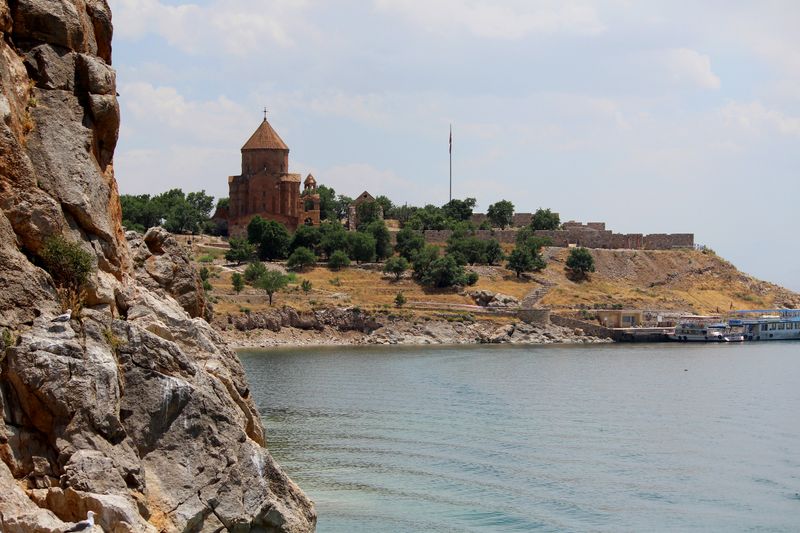
Akdamar Island
An island in Lake Van that holds the 10th-century Church of the Holy Cross, known for its carved stone reliefs.
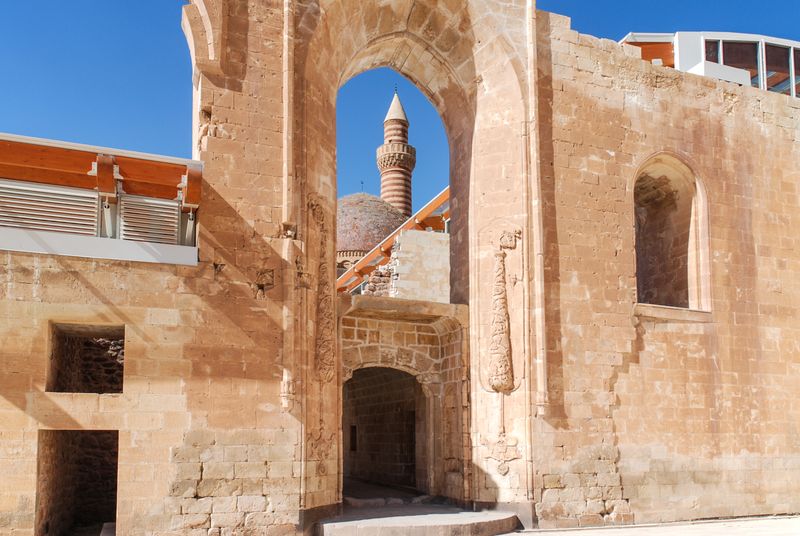
Ishak Pasha Palace
Near Doğubayazıt in Ağrı, a monumental 18th-century palace rising on a hill above the plain.